Menu
Menu

I was very impressed with how quickly and professionally they worked. They were in and out in an afternoon. They had to remove a giant Red Oak, and did so with great skill and speed. Their price is very affordable and beats out most of the competition around. I highly recommend Driscoll Tree Service. We will use them again for all of our future tree removal needs! Seriously, give them a call. They are awesome!
Michael came out to evaluate some trees I had with a questionable fungus on them, and ultimately the course of action was removal for a select few. He got me an estimate for the removal within a matter of days. They had the most competitive prices out of the other estimates I got. Michael is a very knowledgeable Arborist and you can tell he is passionate about his work. He wasn't pushy at all about the removal like some of the other companies I had come out, and he advised me on doing it in "phases" to fit my budget. The actual tree removal and stump grinding itself was so smooth and all the workers that came with the crane and stump service were very professional and communicative about what the process was going to be.
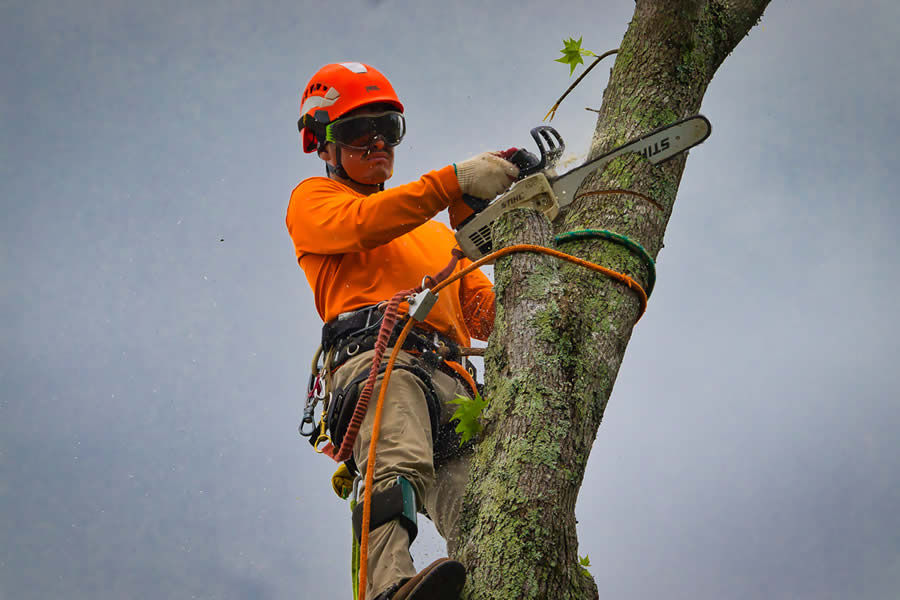
Detecting signs of deterioration in your trees can be quite frustrating, especially if irreversible. Luckily, scheduling routine maintenance inspections with a professional tree care company helps detect trivial signs of infection or infestation before it takes a toll on the trees’ overall well-being. The benefits of pruning exceed esthetic appeal, as it promotes optimal health by getting rid of damaged limbs before the tree develops a disease. Do you suspect you have a damaged tree on your premises? Consult Driscoll Tree Service, the leading tree service that provides a comprehensive assessment.
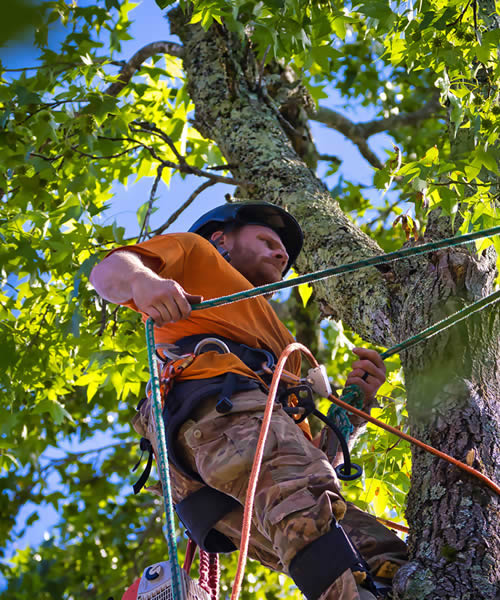
Like most living things, trees are constantly assaulted by viruses, bacteria, insects and fungi. Although trees are covered with bark that protects the living cells from intruders, wounds create a way for infection, which weakens or kills the living cells. To prevent diseases from gaining a foothold, you must prune them before the issue gets out of hand.
An experienced tree service provider targets and removes damaged limbs that act as disease access points. We believe that removing damaged, dead and diseased tissue helps maintain healthy and robust trees. As an experienced tree care company, we recommend minimal and basic cuts when pruning damaged limbs and crossed branches, which can become vectors of diseases.
Severely damaged tissue that can’t be salvaged is considered to be dead. However, it would help if you did not confuse dead for dormancy since all the wood may appear dead in winter. Most perennials turn brown and dry when they die, and detecting signs of deterioration early can help mitigate further damage. If you detect the absence of leaves, hollow wood, lack of buds and missing bark, you must get rid of the affected limbs before the entire tree is compromised.
The reality is that dead tissue is often associated with partial tree death. Although the limb may still function as a living unit and is still leafy, the damage sustained internally or externally cause the tree to decline. Failure to address the issue in its early stages can interrupt the architecture feeding and supporting the tree. The best solution is to hire a tree care company in Snellville to remove the damaged branches or limbs, allowing new and stronger growth.
Diseases attack trees in many forms, such as fungi, bacteria and viruses. If a disease reaches the point it is easily detected, it is less likely to recover, hence the need to schedule regular checks with a trusted tree service to detect signs of decline early. Unlike broken or dead wood, diseased trees have a living inoculant that can still cause reinfection even after it is pruned. These may be fungus spores, insect eggs or bacteria.
Diseased trees should be pruned and regularly checked to ensure there are no traces of the disease. Failing to take action in the early stages of infection diminishes the chances of treatment and may result in tree death. Contact us at Driscoll Tree Service and schedule a consultation with our tree care experts to enjoy quality services at competitive market rates.
Cracks in the Trunk: A Sign You Need Tree Removal? When’s the last time you really looked at your trees? Not from the curb. Not from your kitchen window. Up close with hands on the bark and eyes tracing the…
Read More
4 Ways Tree Trimming Can Benefit Your Business Trees are majestic beings that offer many benefits, from visual appeal to clean air. As a business owner, you can benefit from trees, including curb aesthetics and property value. However, regular care…
Read More
It’s one of the most classic homeowner dilemmas: you plant a tree, watch it grow tall and proud for decades until, one day, you notice the driveway starting to buckle. Cracks appear and spread; the once-smooth concrete begins to lift…
Read More
That Tree Might Be Trying to Tell You Something Trees may not speak our language, but they are constantly sending messages. Every leaf, branch, and root tells a story about what’s happening inside the tree. Some signals are harmless, others…
Read More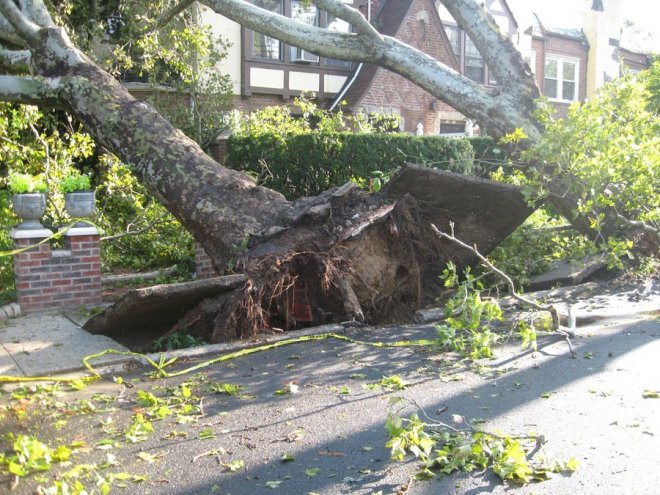
Signs a Tree Might Fall Many property owners appreciate and love their trees but must notice the potential danger some trees present. Research shows that many tree-related accidents could be avoided if people knew the signs and symptoms of a…
Read More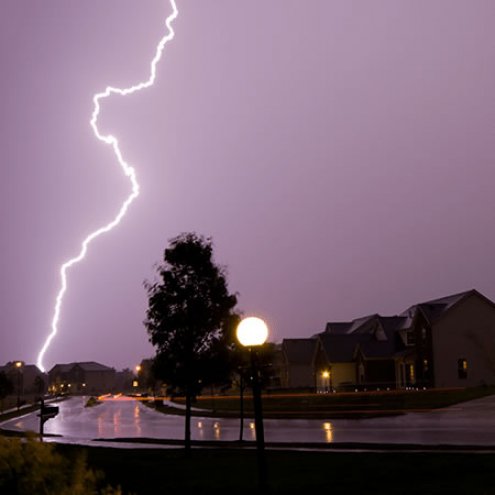
Trees and Lightning Strikes Lightning doesn’t strike the same place twice. While this might be true, you know how destructive it can be if you live in an area that frequently experiences such weather phenomena. Towering trees are easy targets,…
Read More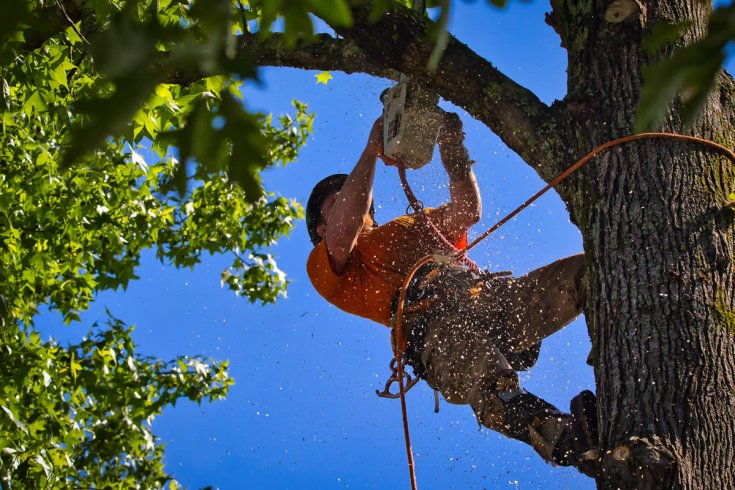
Why You Need an Arborist to Prune Your Trees Tree pruning is a vital part of property maintenance, but it's not a job for everyone. Mistakes made while pruning or trimming your trees could result in poor tree health, property…
Read More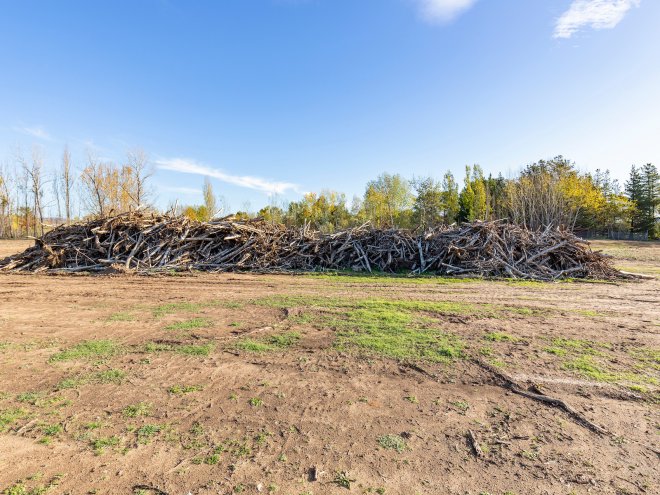
Best Tips to Clear Overgrown Land Land is one of the best investments you can make, but here’s the catch: if you want to unlock its full potential, then you’ve got to cultivate or develop it. Before you can do…
Read More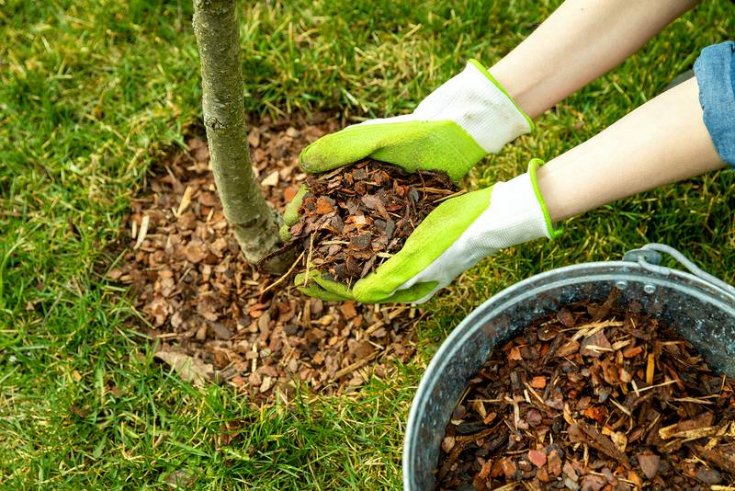
Mulch Myths and Truths As we head towards cooler months, it is critical to maintaining a healthy yard. One of the essential tree care practices before winter is adding a layer of mulch around your trees. You can use many…
Read More
Why Trees Are So Important to Your Community As Arbor Day approaches, it reminds us of the significance of trees in our communities. Besides aesthetic appeal, trees are vital in enhancing the quality of life for humans and wildlife. From…
Read More