Menu


Menu

I had a large oak tree taken down near power lines and an outdoor kitchen. I was well informed about the work they were going to do and how long it should take. The team was professional, fast and dropped the tree safely. They used a bucket truck and climber to trim branches from the top half of the tree with no damage to the yard around the tree. I am extremely pleased with Driscoll Tree service work.
We called to have two large pine trees removed since they were in the way of where we needed to put our fence. We are slackers and always wait until the last minute to do anything so of course, we tried to find someone that could take these out quickly as we needed it done ASAP. These guys came out the same day I called and were able to get them out the next day. I was so impressed by how nice and professional they are, it’s nearly impossible to get anyone to come out and/or follow up with anything so it was extremely refreshing that they did both without me having to call and ask what the hold up was. I will forever use this company for future needs. Thank you again!!
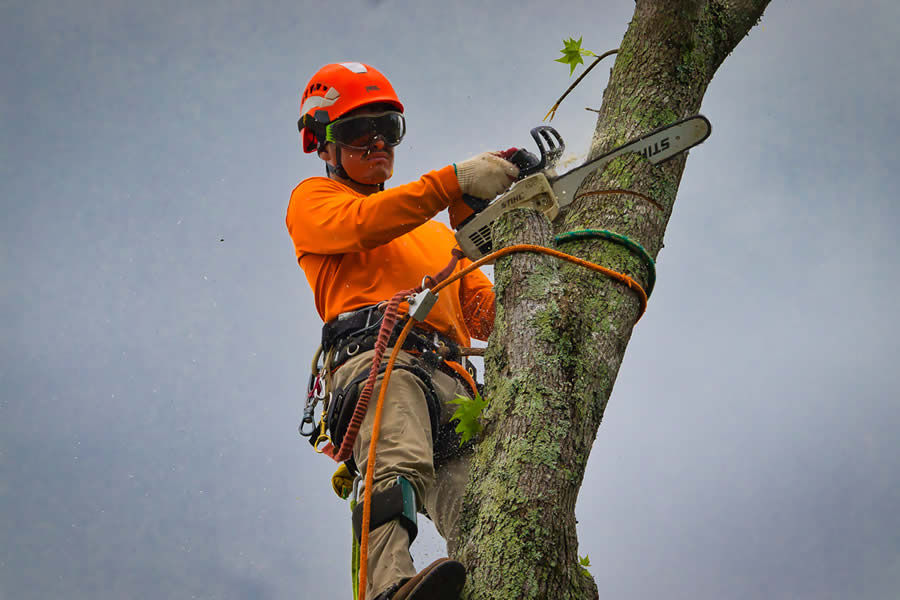
As the summer temperatures rise, the tranquility of your garden may be disrupted by branches falling off your trees. Unlike the more common storm or ice damage, these occurrences can leave you puzzled, wondering what’s causing your healthy tree to shed its limbs. Driscoll Tree Service is a professional tree care company that suggests why branches fall off trees during the summer.
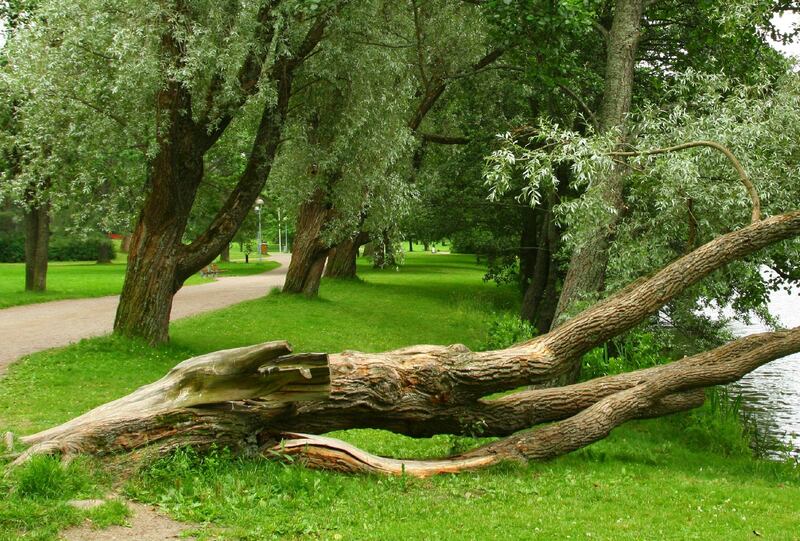
One of the most common reasons for branches falling off trees during the summer is a natural process known as “self-pruning.” Trees have a remarkable ability to shed branches that are not thriving or serving a purpose. When a branch is no longer productive because of disease, pests, or old age, the tree will gradually weaken the connection between the branch and the main trunk. This process can lead to branches dropping unexpectedly, especially during the stress of hot summer weather. Schedule a consultation with an expert tree service to ensure natural pruning doesn’t affect the tree’s health or the safety of your home.
Summer often brings periods of drought, and extreme heat, which can stress trees significantly. When trees experience drought stress, they may prioritize the survival of their core structure over less essential branches. As a result, the tree might shed some of its branches to conserve water and energy. Providing adequate watering to your trees during dry spells and heatwaves is crucial, ensuring they maintain healthy limbs throughout. Drought stress may not raise concerns, but delaying maintenance can exacerbate the problem, causing premature tree removal.
Insects are a common menace to trees during the summer months. While some insects feed on leaves and stems, others burrow into the tree’s wood, weakening its structure. An infested branch may become so compromised that it falls off. Regular inspections by professional arborists can help identify infestations early, allowing for proper treatment before significant limb loss or tree removal.
Fungal infections and diseases can cause branches to fall off your trees in the summer. These infections can weaken the wood, making it more susceptible to breakage. In addition, some diseases may cause leaves to wilt and branches to die back, prompting the tree to shed the affected limbs. A tree care company can assess the severity of damage and recommend viable solutions, including pruning and disease management.
A lush canopy of leaves and foliage can create excessive weight on a tree’s branches. This additional weight can become a burden, especially when combined with summer storms or strong winds. As a result, branches may break and fall under the strain of the foliage. Our tree service experts leverage proven strategies and innovative equipment to provide pruning and thinning services to help prevent this issue and reduce the risk of branch failure.
While the sight of branches falling off your trees during the summer may be disturbing, it’s essential to understand that several natural and environmental factors are at play. Trees are resilient but can still be vulnerable to stressors like drought, disease, insects, and age. Contact us at the Driscoll Tree Service and schedule a consultation with our arborists to minimize the risk of unexpected limb loss. By addressing these factors and ensuring your trees receive the attention they need, you can enjoy a healthier and safer outdoor environment during the summer months.
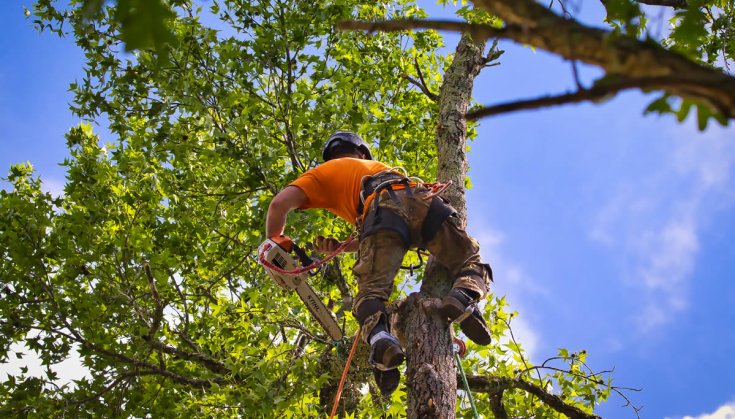
Removing Trees in Confined Spaces People living in urban and suburban settings often own homes with small yards. This is common in congested areas since most properties are close together. This can pose significant issues regarding tree removal, hence the…
Read More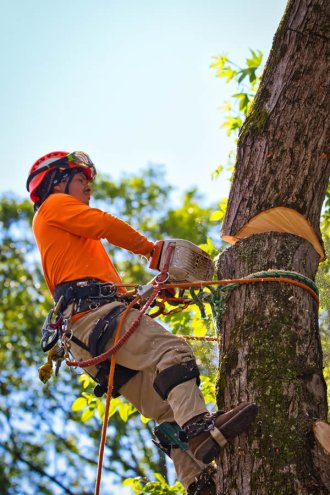
Hey there, Metro Atlanta neighbors! Whether you’re battling Bradford pears that shed like a husky in July or nurturing a century-old oak that’s seen more history than Peachtree Street, the tree care specialists at Driscoll Tree Service have some tips…
Read More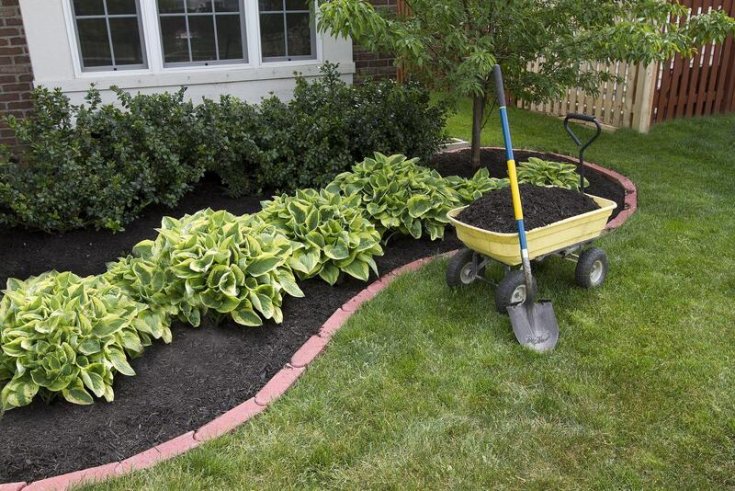
What are the Benefits of Brush Mulching? Mulching is a standard tree care practice that helps with moisture retention and soil nourishment. While there are several mulching techniques, brush mulching offers a sustainable solution to land management, as it entails…
Read More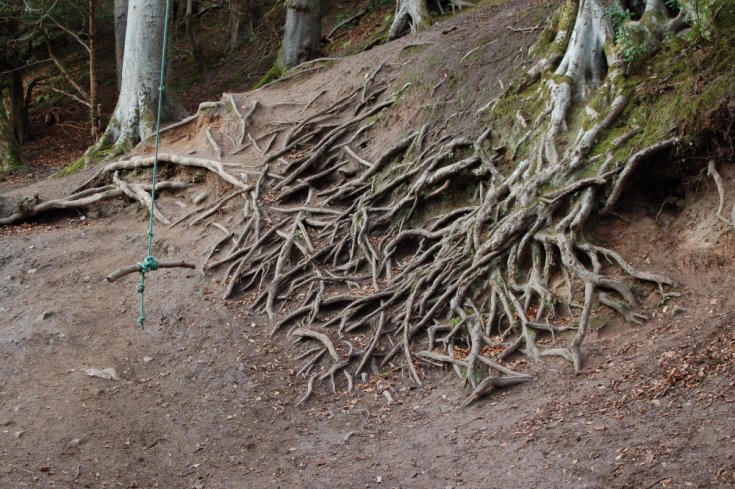
Are Exposed Tree Roots Bad? Exposed tree roots might look like an enchanting natural feature, but those gnarled “wooden serpents” at your feet are more than just a quirky accent of your tree. In fact, roots surfacing above the soil…
Read More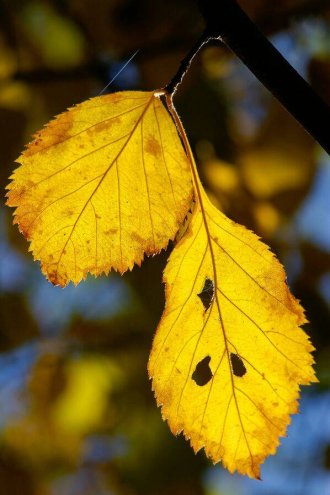
Yellow Leaves in Summer The sight of trees adorned with vibrant shades of red, orange, and yellow during fall is a natural spectacle that always captivates. However, when those same trees display yellow leaves in the summer, it may be…
Read More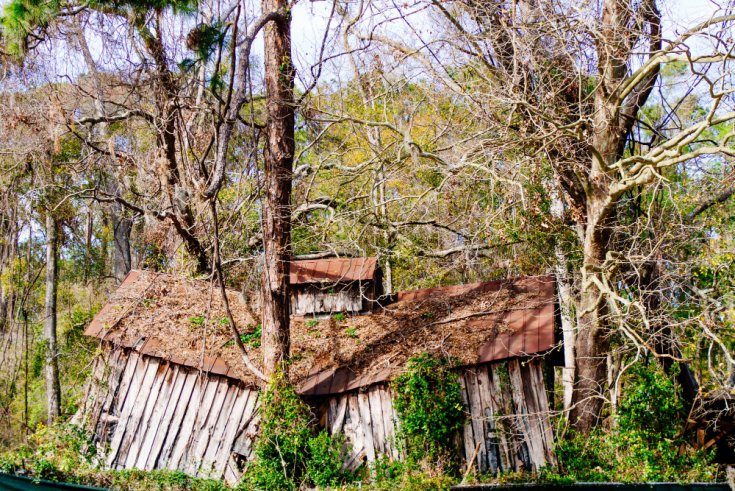
How Overgrown Trees Damage Roofs and Foundations Trees are part of what makes landscapes and the environment thrive. However, these magnificent entities can overgrow, leading to subtle yet noticeable damage to your home or business. While many people often focus…
Read More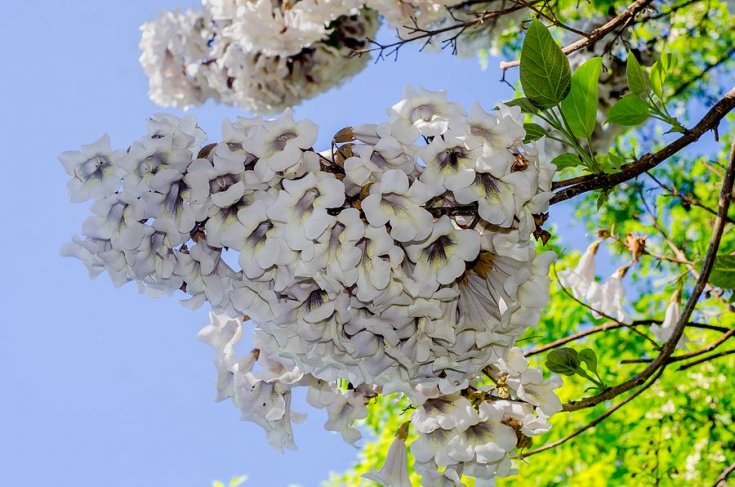
3 Types of Tree Flowers There’s nothing more spectacular than the fantastic spectrum of colors as different trees bloom. Whether you appreciate the distinct scent of blooming pine cones or despise the memory of stepping on mushy fruits, trees don’t…
Read More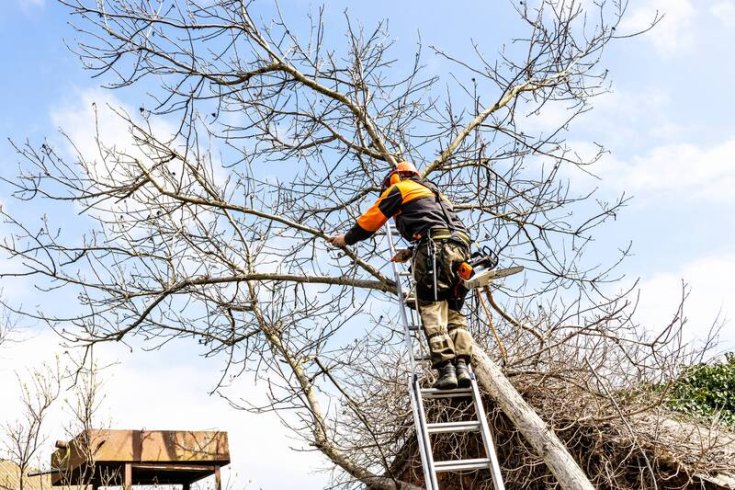
Summer is winding down, the days are getting shorter, and the air will be crisp and the leaves will start falling before you know it. For tree owners, that means it’s time to think ahead. Fall is one of the…
Read More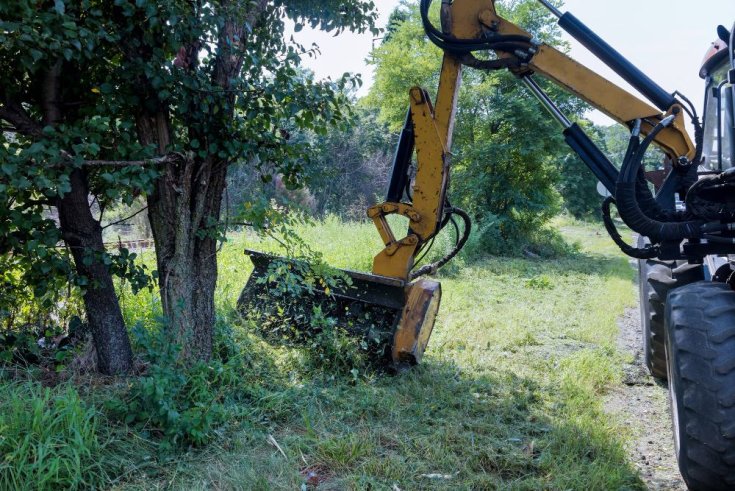
Common Land Clearing Mistakes You Should Avoid Land clearing is an essential step in many residential and commercial development projects, whether building new infrastructure, expanding urban areas, or creating agricultural fields. However, the land-clearing process can be overwhelming, increasing the…
Read More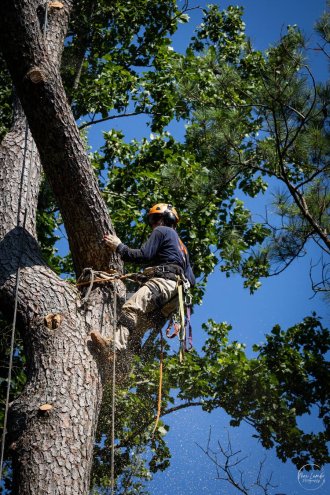
Have You Hurricane-Proofed Your Trees Yet? In the Southeast U.S., hurricanes aren’t just an occasional threat - they're a part of life. Georgia, in particular, faces frequent tropical storms and hurricanes that bring high winds, heavy rain, and the potential…
Read More