Menu
Menu
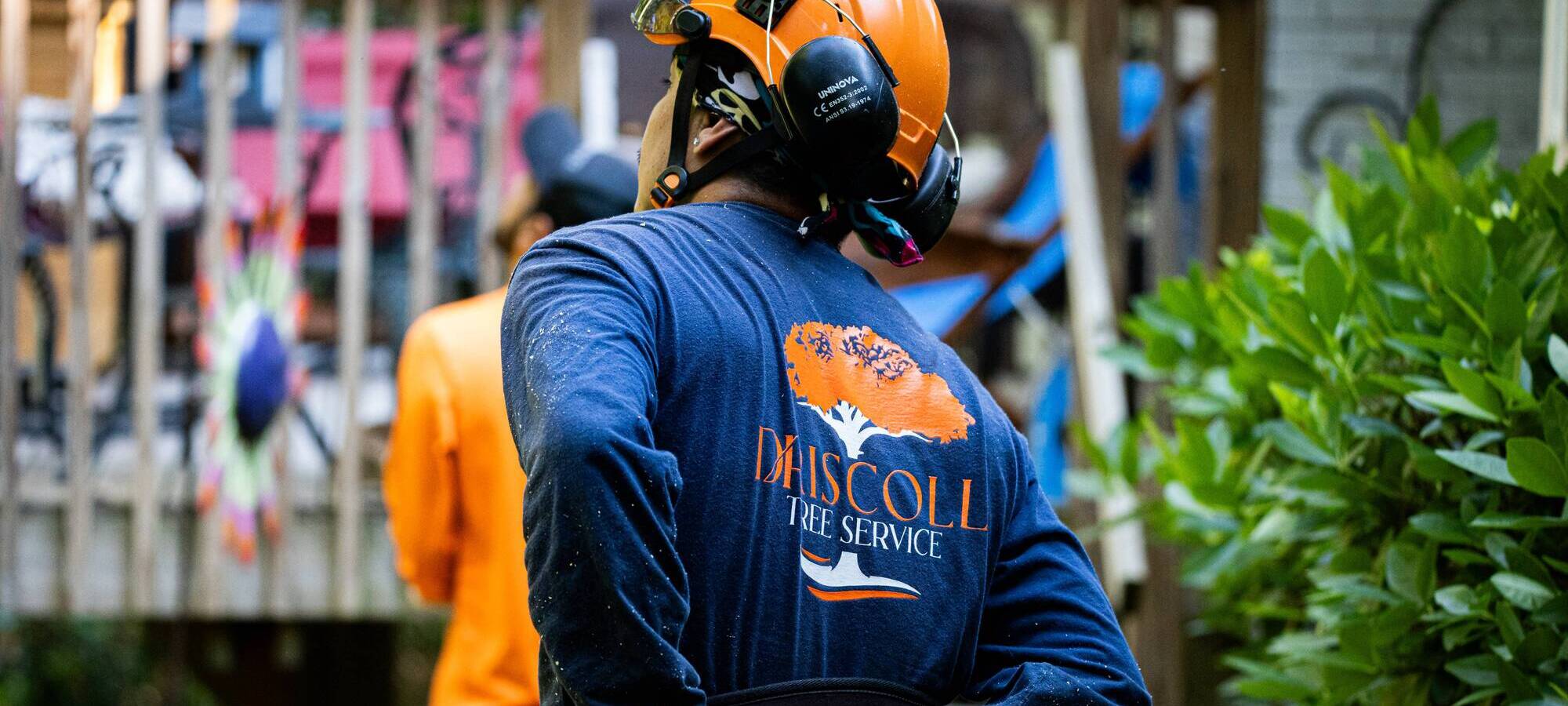

Driscoll Tree Service and its team are professional, friendly, and excellent at tree removal. Their prices are the best. We had them remove a completely dead tree and a super large branch. For both experiences, they came out fast and did an Incredible job. Highly recommend.
This is the second time using Driscoll, and we are pleased with the service. Michael is knowledgeable and punctual. We had eight trees trimmed, and they left no traces of the work in our yard. Polite workers. Reasonably priced as well. Highly recommend.
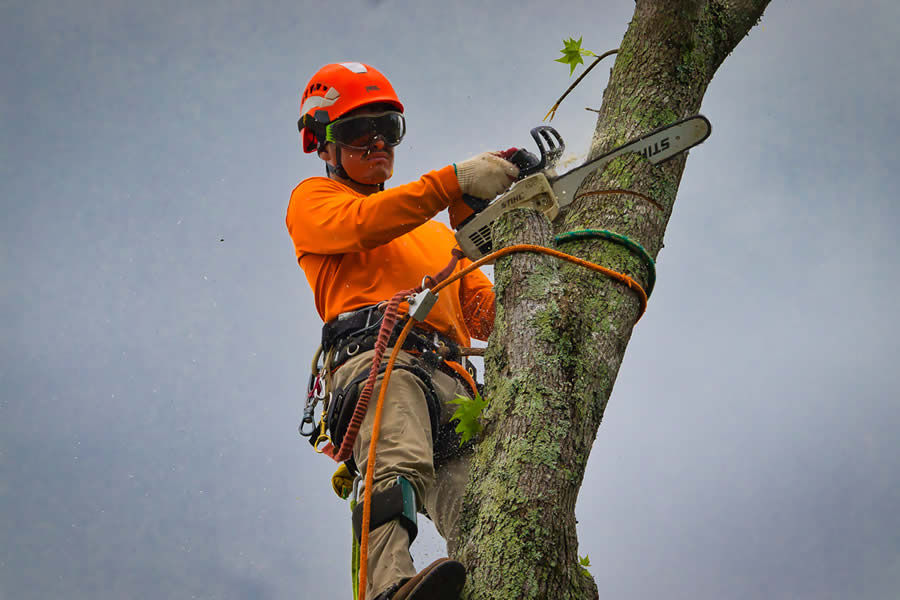
A well-maintained roof is crucial for any home, as it protects against the weather and maintains structural integrity. While trees can enhance property beauty and value, if they grow close to your roof, they can cause damage and costly repairs. At the Driscoll Tree Service, we can help you handle trees around your home to extend your roof’s lifespan without breaking the bank. Here are essential tips to consider if you want your roof to go the distance.
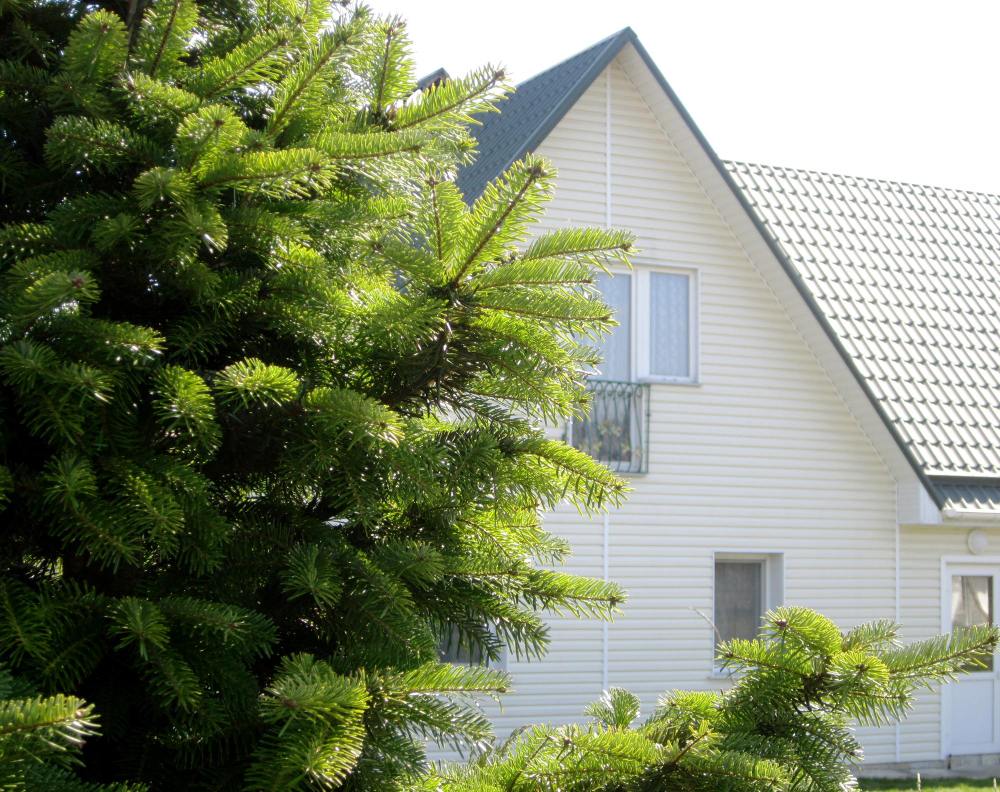
The simplest way to protect your roof is by hiring a tree care company to trim branches that grow close to or hang over the roof. If branches brush against shingles or roofing materials during storms, they can cause wear and tear. Arborists recommend trimming back branches to prevent them from scratching or puncturing the roof, reducing the risk of broken limbs falling and causing damage. For DIYers, trim far enough that the branches won’t grow close to the roof again for at least a year.
Dead or dying trees near your home pose a significant risk to your roof’s health. If you notice weak or decaying branches, remove them quickly to prevent breaking in strong winds or during storms. In addition, a fully dead tree could eventually fall if not addressed, damaging your roof and other parts of your home. The most effective solution to prevent these hazards is to schedule regular inspections with a professional tree service. Unlike DIY enthusiasts, arborists can detect the slightest signs of decay or weakness, ensuring trees growing close to your house don’t wreak havoc.
Trees shed leaves, small branches, seeds, and other debris, which can accumulate on your roof and in your gutters. If left unchecked, this debris can trap moisture, causing deterioration over time. In addition, accumulated leaves can clog gutters, causing water overflow, roof damage, and structural deterioration. Routine roof cleaning and gutter maintenance can prevent debris buildup and extend your roof’s life by allowing proper water drainage.
Trees provide shade, creating an ideal environment for moss and algae to grow on your roof. While shade can keep your home cool, too much can cause dampness, encouraging moss growth that can damage shingles and degrade the roof surface. You can help prevent this by hiring a tree service provider to trim branches, allowing more sunlight onto your roof. Also, professionals can treat any existing moss or algae with effective cleaning solutions, preventing severe damage and ultimately tree removal.
When planting new trees or considering landscaping changes, it’s important to select tree species that are less likely to cause roof problems. Consult a reputable tree care company to avoid suitable fast-growing trees with large branches, as they are more likely to drop debris and risk roof damage in adverse weather. It is advisable to opt for smaller trees that don’t produce excessive foliage or fruit, and plant them at a safe distance from the house. Working with professionals can help you select species that complement your home without risking roof damage, costly repairs, and unplanned tree removal emergencies in Snellville.
Trees provide shade, beauty, and add character to your home. However, they can also pose challenges for your roof. By following these tips, you can extend the lifespan of your roof without breaking the bank. Contact us at the Driscoll Tree Service and schedule a consultation with our arborists to enjoy the beauty of nature and the security of a well-maintained roof for many years.
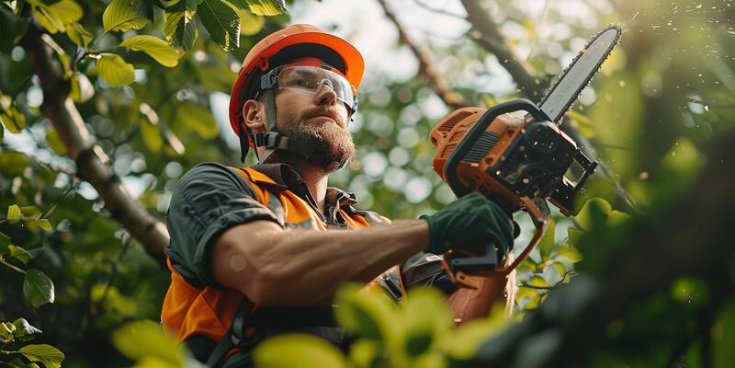
What Questions Should I Ask a Tree Service Company? Mature trees do more than make a yard look good. They also provide shade, improve air quality, and in some cases even produce fruit. They can also boost property value by…
Read More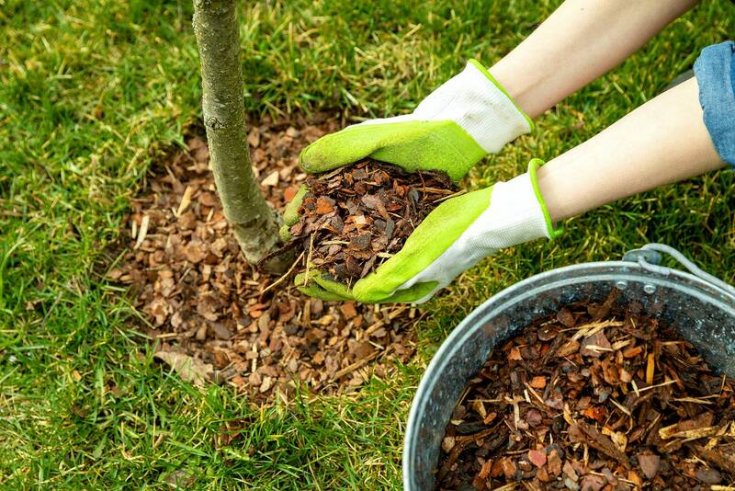
The Importance of Mulching Newly Planted Trees Regarding landscaping and gardening, the intricacies of nurturing nature’s wonders are both an art and a science. One crucial aspect that often goes unnoticed but is paramount is mulching newly planted trees. Mulch,…
Read More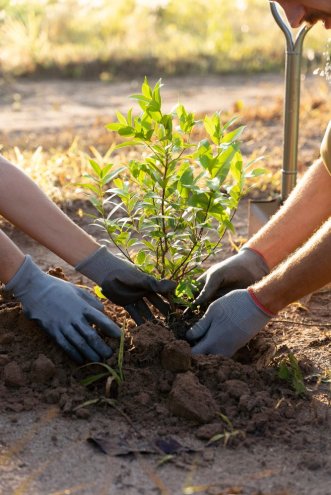
Facts About Winter Tree Planting Planting trees is a major decision that requires consideration of crucial factors like planting time, soil quality, tree type, and tree placement. While most people often avoid landscaping projects during the cold months, winter is…
Read More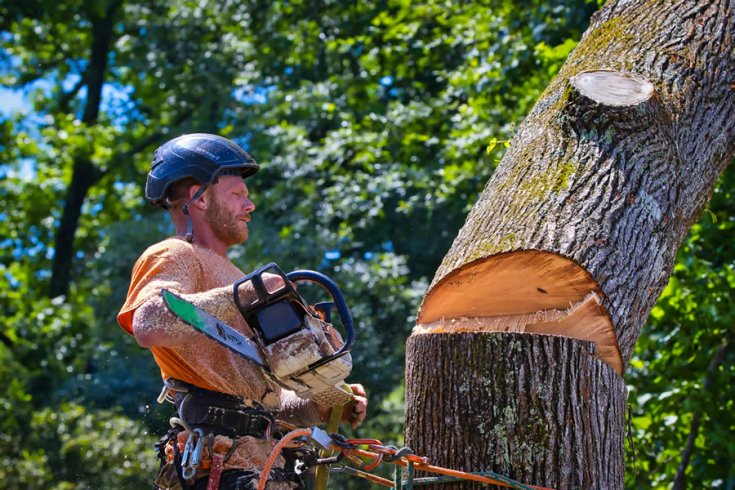
4 Situations That Require a Tree Removal Service Trees are a valuable addition to any landscape and play a vital role in the ecosystem. There are many benefits we get from trees, such as shade, curb appeal, and comfort, among…
Read More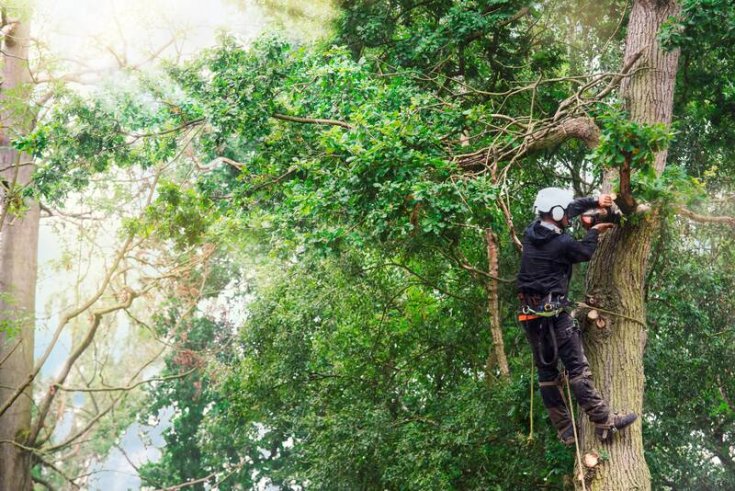
Why Dead Trees Should Be Removed Immediately Dead trees are not always easy to identify, but one thing is for certain: They ought to be removed as soon as possible. A dead tree not only poses the risk of falling…
Read More
Top Reasons to Hire a Certified Arborist for Tree Services Trees are among the best investments you can make in your property. They offer aesthetic, provide shade, increase home value, and can even give you delicious fruit to enjoy. However,…
Read More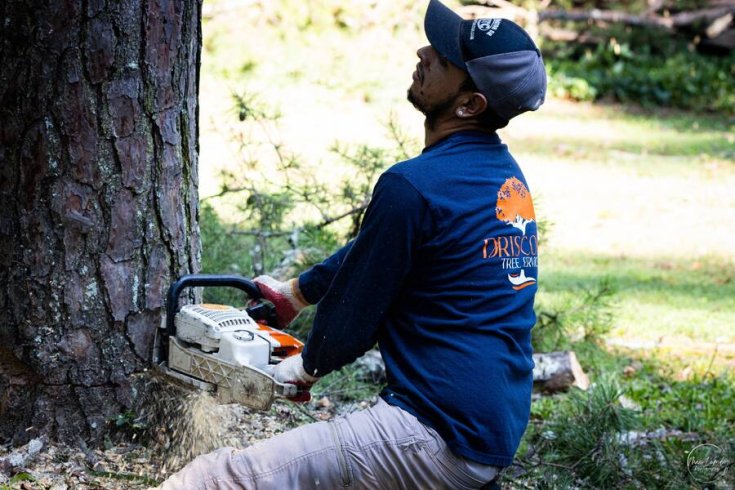
How Much Does It Cost to Remove a Tree? For starters, tree removal should be left to the professionals, whether the tree is big or small. A DIY approach may seem like a way to save money, but we don’t…
Read More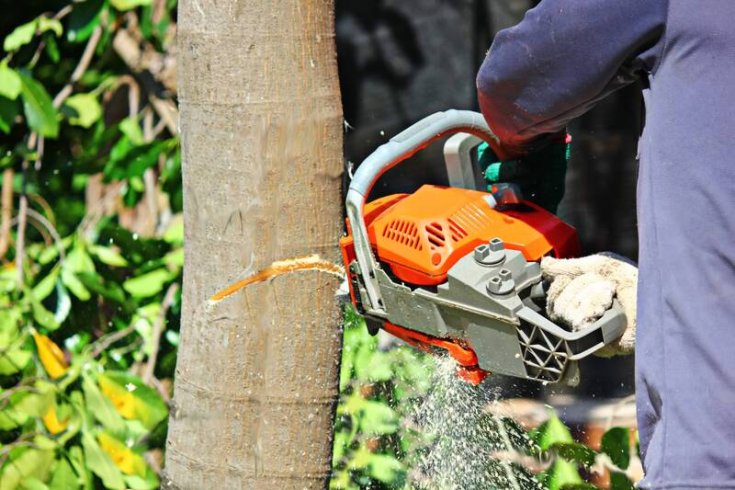
Debunking Common Myths About Tree Removal Trees are magnificent entities that provide many advantages. However, different circumstances like disease, infestation, landscaping needs, or severe damage may prompt tree removal services. While healthy greenery is an asset for property owners, when…
Read More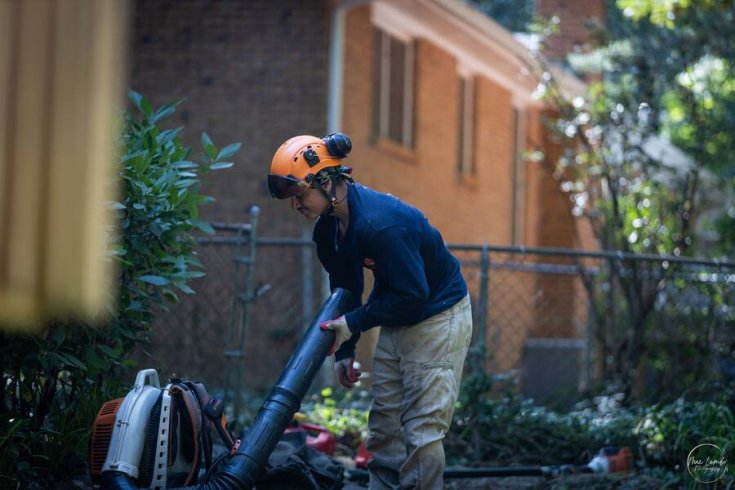
It should go without saying that when it comes to caring for your trees, hiring a professional is always the smarter choice. Whether you’re dealing with routine trimming, storm cleanup, or a full tree removal, the risks and complexities make…
Read More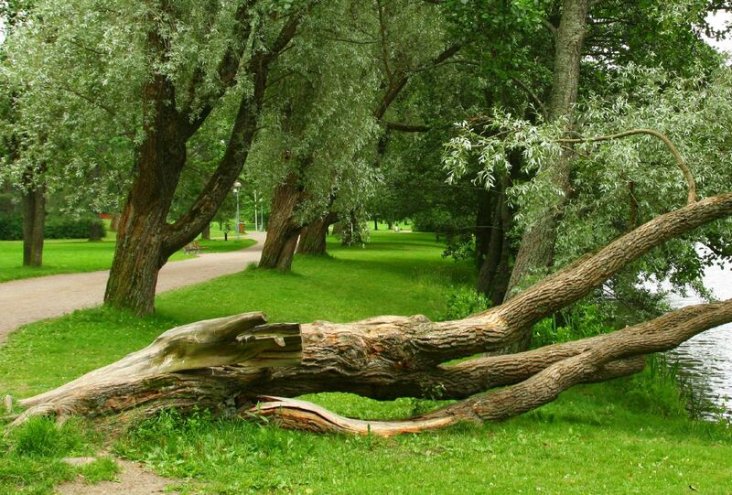
Why are My Tree Branches Falling Off? As the summer temperatures rise, the tranquility of your garden may be disrupted by branches falling off your trees. Unlike the more common storm or ice damage, these occurrences can leave you puzzled,…
Read More