Menu
Menu
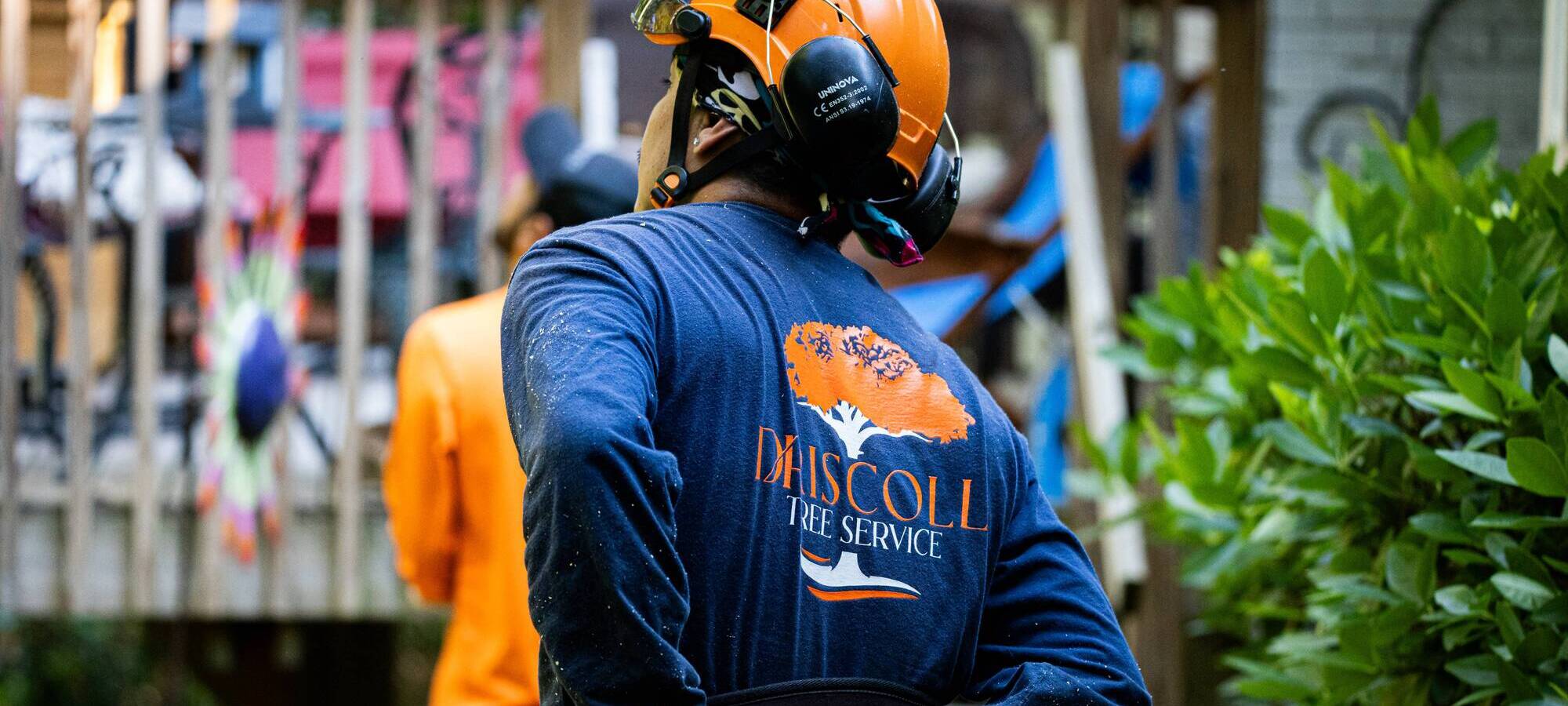

It took a while for the weather to cooperate, but when the time came, all went well with excellent results. The crew removed a large water oak and a small trash tree. They worked well together and when finished, the job site was cleaned up nicely. They were friendly and informative. Neighbors were also impressed. I highly recommend Driscoll Tree Service.
This is the second time using Driscoll, and we are pleased with the service. Michael is knowledgeable and punctual. We had eight trees trimmed, and they left no traces of the work in our yard. Polite workers. Reasonably priced as well. Highly recommend.
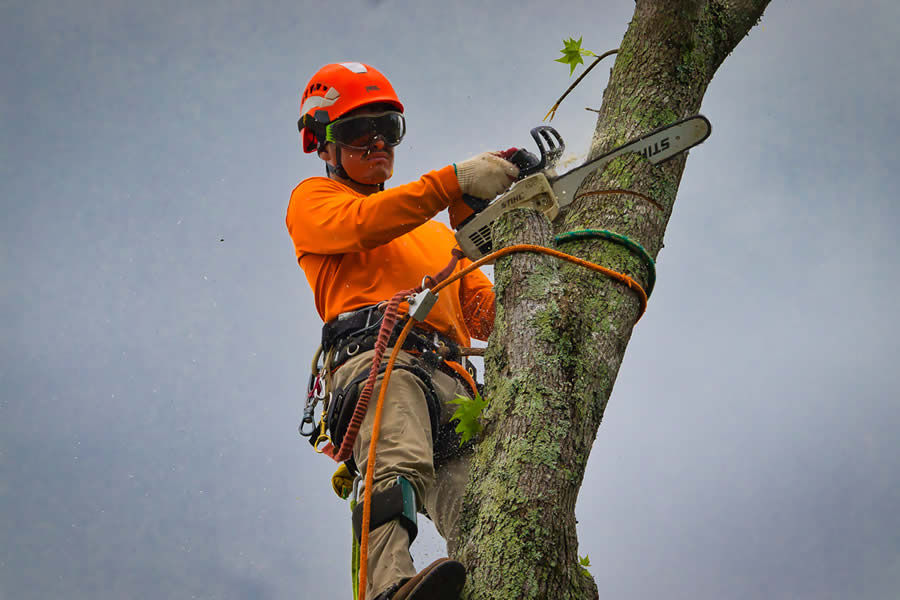
Tree trimming is a vital aspect of landscaping and garden maintenance that helps keep trees healthy and aesthetically pleasing. However, it can also be hazardous if not done correctly, causing severe damage and premature tree removal. Whether you’re a professional arborist or a homeowner looking to maintain your yard, understanding and following safety protocols is essential. If you have a tree pruning or trimming project lined up, Driscoll Tree Service is the go-to tree care company. We leverage extensive expertise and knowledge to ensure safety and efficiency throughout the project. Here are vital safety tips for tree trimming to help you avoid injuries and ensure a successful session.
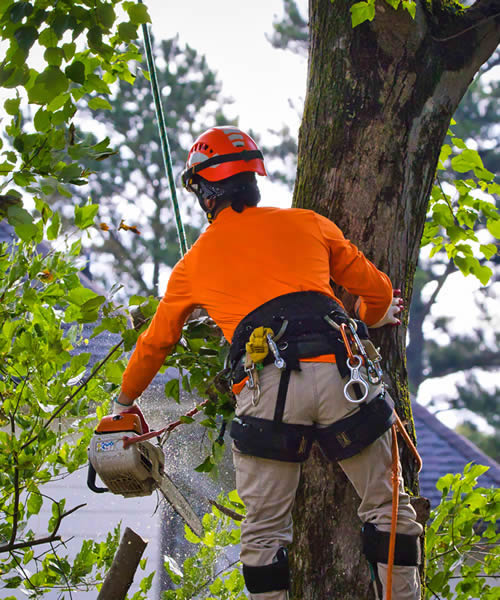
Before you begin a tree trimming project, it is crucial to wear the proper protective gear. This includes sturdy gloves to protect your hands from sharp branches and thorns, safety goggles to shield your eyes from flying debris, and hard hats to protect your head from falling limbs. In addition, hearing protection such as earplugs or earmuffs is necessary to prevent hearing damage when using power tools.
Tree service experts recommend checking the weather forecast before starting your trimming project. Many DIYers usually trim trees in adverse weather, such as high winds, rain, or lightning storms. Bad weather can make branches slippery, increasing the risk of accidents, damage, and costly repairs.
Before tree pruning or trimming, ensure all equipment is in good working order. This includes ladders, chainsaws, pruners, and any other tools you plan to use. Check for dull blades, loose parts, and signs of wear. If you suspect faulty equipment that can compromise your safety, hire professional arborists to ensure optimum safety and quality work.
As mentioned, the common problem with DIY tree pruning projects is understanding the proper techniques and using the correct tools for safety. Professional arborists use tools that fit the job, including hand pruners for small branches and chainsaws for larger limbs. We recommend cutting away from your body and maintaining a stable position while cutting. This goes a long way to mitigate safety hazards, tree damage, and costly repairs.
Ladder safety is vital when trimming trees. Always use a sturdy ladder that extends at least three feet over the branch you’re trimming. Secure the ladder on stable ground, and don’t stand on the top three steps. Always maintain three points of contact with the ladder: two hands and one foot or two feet and one hand. If you prefer a proactive approach, hire a tree care company to handle the heavy lifting.
Last, recognize when a job is beyond your skill level or capacity. Tree trimming, especially for large trees or those near power lines, can be dangerous and require professional equipment and experience. Hiring a certified tree service expert can ensure the job is done safely and correctly.
Tree pruning and trimming is a demanding task that requires careful attention to safety. By following these tips, you can minimize risk and ensure a safe environment for yourself and others. Contact us at the Driscoll Tree Service to ensure an effective and safe project. We provide various services to address your landscaping needs, from planting and maintenance to trimming and tree removal, at competitive rates.
Essential Tree Care Tips for Every Season Trees require regular care and maintenance to thrive. However, different seasons call for specific care to prevent irreversible damage and premature tree removal emergencies. With that in mind, hiring a professional tree care…
Read More
Protecting Trees from Freeze-Damage As winter approaches, one of the primary concerns for homeowners and garden enthusiasts is protecting their trees from freeze damage. Cold temperatures, frost, and freezing conditions can cause irreparable harm and costly tree removal emergencies. As…
Read More
Benefits of Tree Trimming Do you have a tree that needs a lot of attention, but you're unsure what to do? Whether your tree is growing too close to the house, hangs over the driveway, or is growing unevenly, the…
Read More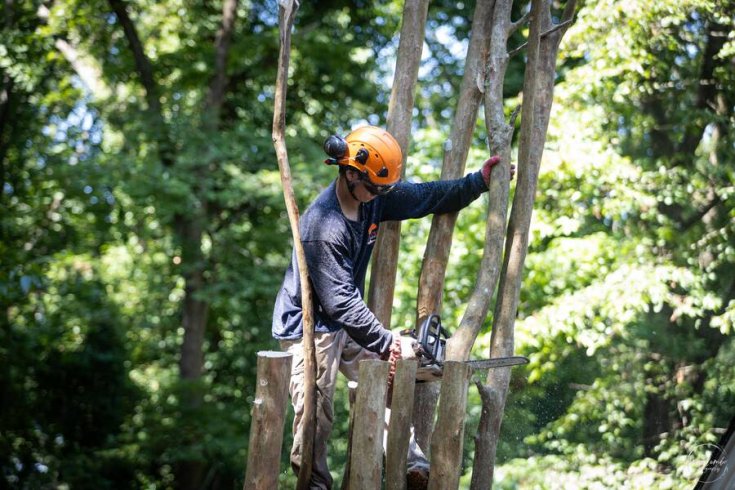
3 Reasons to Have Your Fruit Trees Trimmed This Year Tree trimming might seem like just a haircut for your trees, but it’s much more than aesthetics when it comes to fruit trees. Annual trimming plays a vital role in…
Read More
The Best Landscaping Services for Residential and Commercial Properties Landscaping enhances residential and commercial properties’ aesthetic appeal, functionality, and overall value. When most people think of landscaping, images of lush green lawns and vibrant gardens come to mind. However, landscaping…
Read More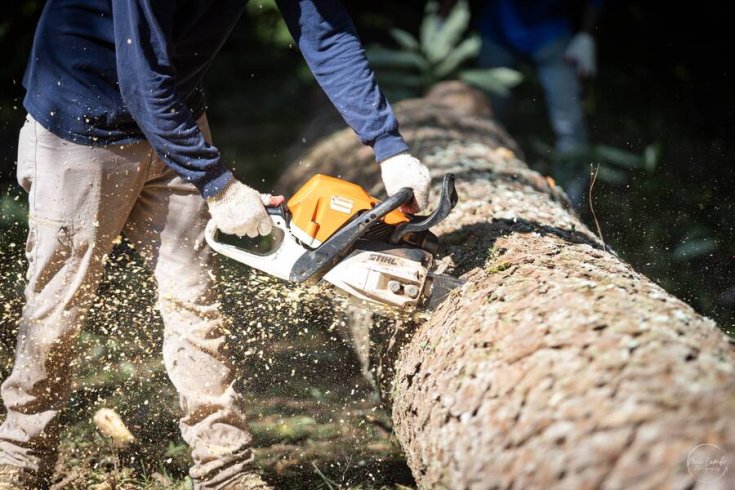
Overgrown Trees? How Tree Services Can Prevent Property Damage We love trees as much as the next guy, but even we'll admit that trees are not always a symbol of peace and harmony. Overgrown trees with precarious branches or diseased…
Read More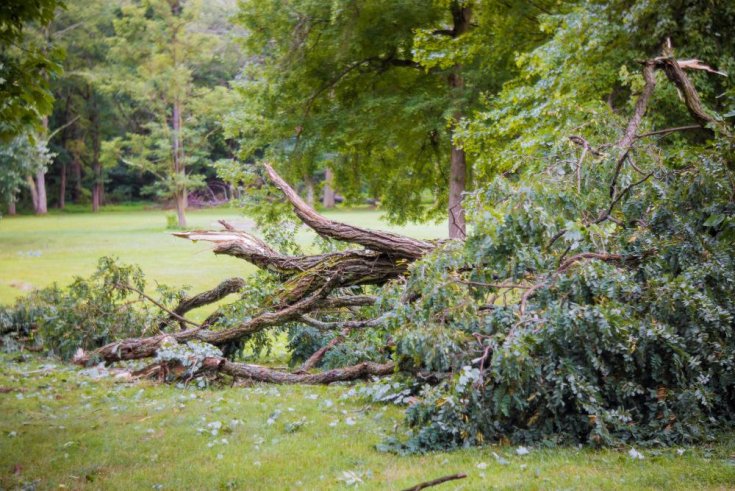
Who is Responsible for a Fallen Tree? Healthy and well-cared-for trees can be a valuable asset to your property, enhancing its beauty and value. However, the natural world can sometimes be unpredictable, and when a tree or large branch falls,…
Read More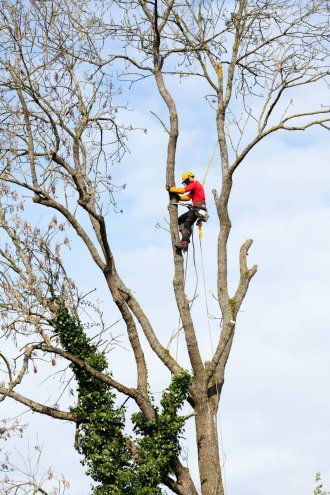
Fall Lawn and Landscape Care Tips As the vibrant colors of summer fade and fall begin to take over, it's essential to focus on lawn and landscape care. Fall is crucial for yard care as you prepare for the colder…
Read More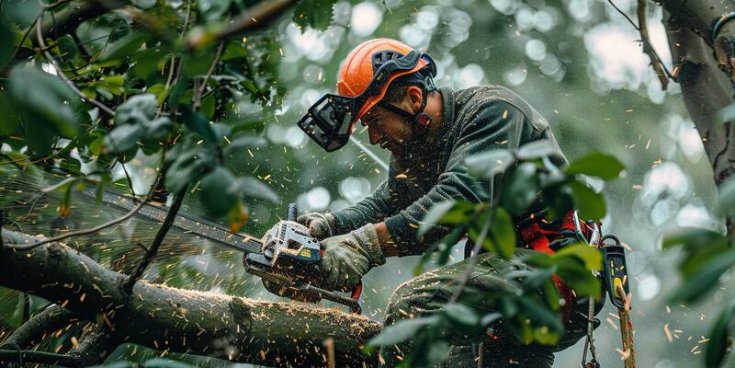
Seasonal Tree Care Tips to Keep Your Yard Healthy Tree care is not a one-and-done ordeal; a beautiful and healthy yard demands constant attention. That doesn't mean you have to sit at your window and watch the trees 24/7, but…
Read More.jpg)
How to Manage Fallen Tree Leaves in Your Yard We've got all four seasons here in the Metro Atlanta area, but the seasons like to blur their lines. One minute it’s spring; the next it’s 90 degrees with a chance…
Read More