Menu
Menu
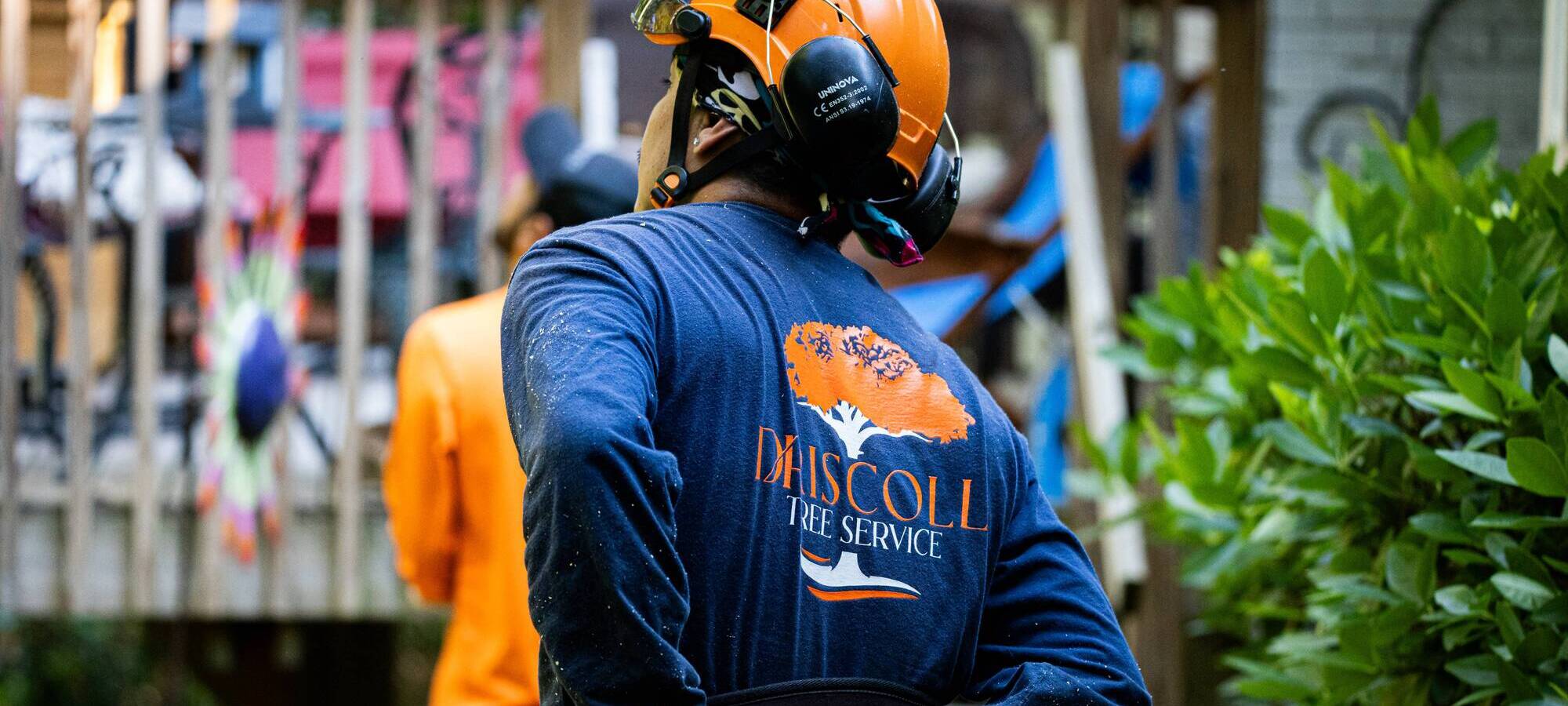

Michael came out to evaluate some trees I had with a questionable fungus on them, and ultimately the course of action was removal for a select few. He got me an estimate for the removal within a matter of days. They had the most competitive prices out of the other estimates I got. Michael is a very knowledgeable Arborist and you can tell he is passionate about his work. He wasn't pushy at all about the removal like some of the other companies I had come out, and he advised me on doing it in "phases" to fit my budget. The actual tree removal and stump grinding itself was so smooth and all the workers that came with the crane and stump service were very professional and communicative about what the process was going to be.
It took a while for the weather to cooperate, but when the time came, all went well with excellent results. The crew removed a large water oak and a small trash tree. They worked well together and when finished, the job site was cleaned up nicely. They were friendly and informative. Neighbors were also impressed. I highly recommend Driscoll Tree Service.
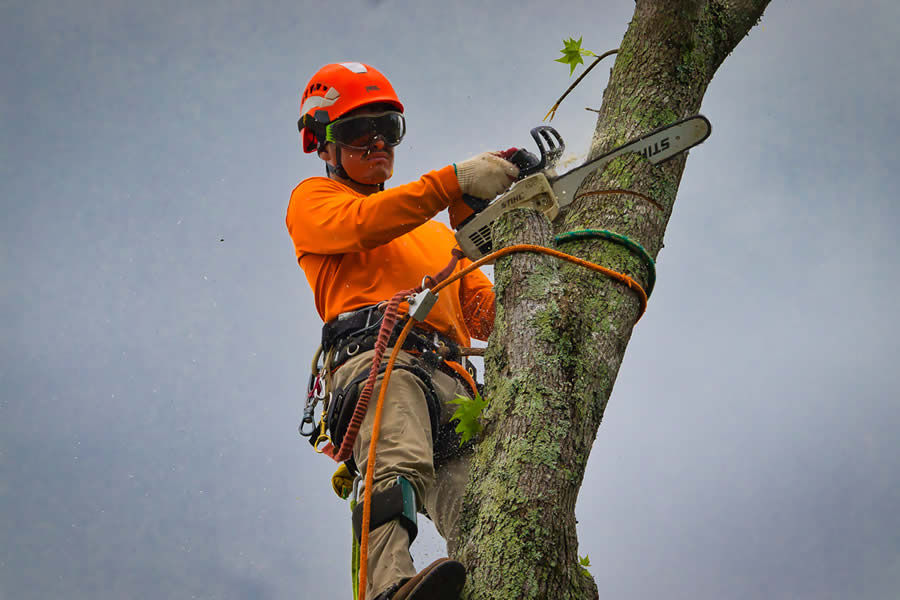
Installing a pool in your backyard is an exciting project, especially when you have countless hours of relaxation, fun, and exercise to look forward to. However, the journey from planning to the first swim often involves more than just choosing a suitable design. One critical and frequently overlooked aspect is managing the surrounding trees. While trees enhance curb appeal and the overall quality of your backyard, they create several challenges if they grow too close to pools. Driscoll Tree Service provides professional tree removal services in such scenarios to ensure a smooth and hassle-free pool construction process. Let's explore common reasons to eliminate trees around your pool for more informed decisions.
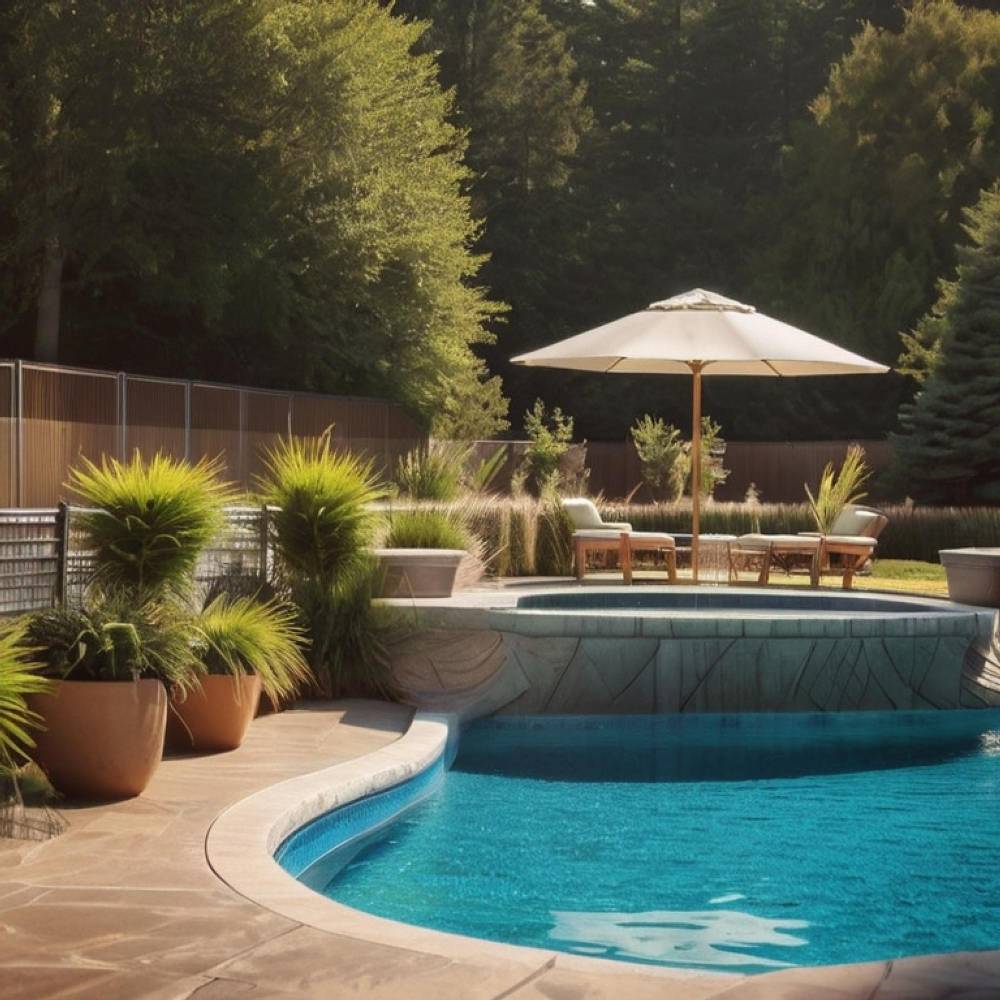
Trees have extensive root systems that can spread far and wide, often causing significant damage to nearby structures. Swimming pools are no exception, as the roots can compromise the foundation, risking the overall structural integrity. Roots can penetrate and crack the pool's walls and flooring, causing leaks and costly repairs. Professional arborists can identify and safely remove trees whose roots could potentially jeopardize the structural integrity of your pool.
Trees, especially those with broad leaves, shed continuously throughout the year. If such trees grow near your pool, the fallen leaves can accumulate in the water, clog filters, and require frequent cleaning. This increases maintenance calls to a tree care company and strains the pool's filtration system, reducing its efficiency and lifespan. By opting for professional tree removal, you can minimize the constant battle against leaf debris, keep your pool clean and reduce maintenance costs.
Trees are a haven for insects, including bees, wasps, and ants, which can become a nuisance and even pose safety risks around the pool area. In addition, fallen leaves and decaying wood attract pests, creating an uncomfortable and potentially hazardous environment. Tree service experts can recommend removal to eliminate the habitats that attract and harbor these insects. This goes a long way to ensure a safer and more enjoyable poolside experience.
Sunlight is vital in maintaining a pleasant and usable pool environment. Trees that overshadow the pool area can significantly reduce the amount of the sun reaching the water, making it cooler and less inviting for swimming. Also, lack of sunlight can promote the growth of algae and bacteria, which thrive in damp and shaded areas. Hiring arborists to remove trees that block sunlight can enhance the pool's temperature and water quality, providing a more comfortable and hygienic swimming experience.
Trees with large, overhanging branches pose a risk of falling debris, especially during storms or high winds. These branches can damage the pool's surface poolside furniture, and even pose a danger to swimmers. Tree service experts can ensure unstable or dangerous branches are safely pruned or removed, preventing potential accidents and damage to your pool area.
While trees add aesthetic value and shade to a backyard, their proximity to a pool can create multiple challenges, from root damage to increased maintenance needs. Professional tree removal services are crucial in addressing these issues, ensuring a safe, efficient, and hassle-free pool construction process. Contact us at the Driscoll Tree Service and take a proactive approach towards managing the trees around your pool area. Our tree care company works with you to enhance the longevity and enjoyment of your new backyard oasis, making it a more pleasant and inviting space.
What Can Go Wrong With Untrained Tree Removal If you’ve ever stood in your yard and looked up at a big and diseased or aging tree, then you know the mix of feelings it can stir. On one hand, that…
Read More
Common Land Clearing Mistakes You Should Avoid Land clearing is an essential step in many residential and commercial development projects, whether building new infrastructure, expanding urban areas, or creating agricultural fields. However, the land-clearing process can be overwhelming, increasing the…
Read More
Facts About Winter Tree Planting Planting trees is a major decision that requires consideration of crucial factors like planting time, soil quality, tree type, and tree placement. While most people often avoid landscaping projects during the cold months, winter is…
Read More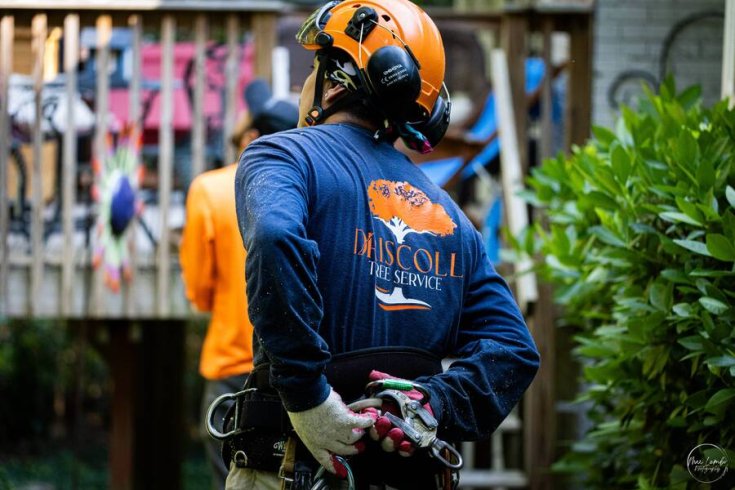
Why Working with Licensed and Insured Tree Companies Matters Tree companies love trees, but not in the dreamy hug-every-oak kind of way. Their job is to work with reality, and sometimes that reality means a tree is dangerous, diseased, or…
Read More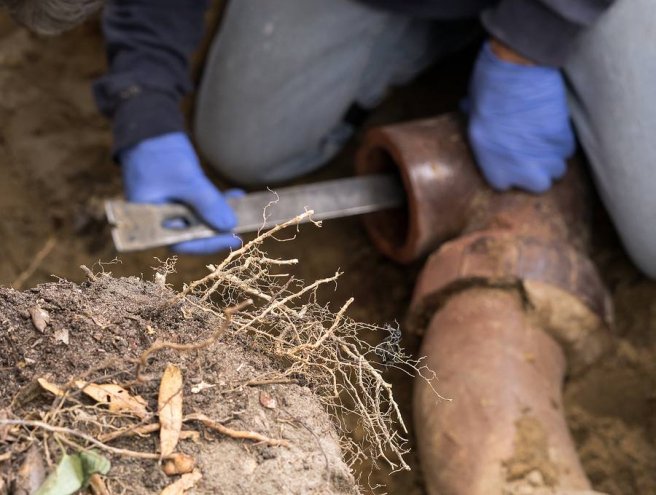
How Tree Roots Damaging Your Pipes Trees are attractive elements in your garden that provide shade and enhance the beauty of your space. However, the giant trees can cause problems to your property’s foundation and plumbing system. These roots are…
Read More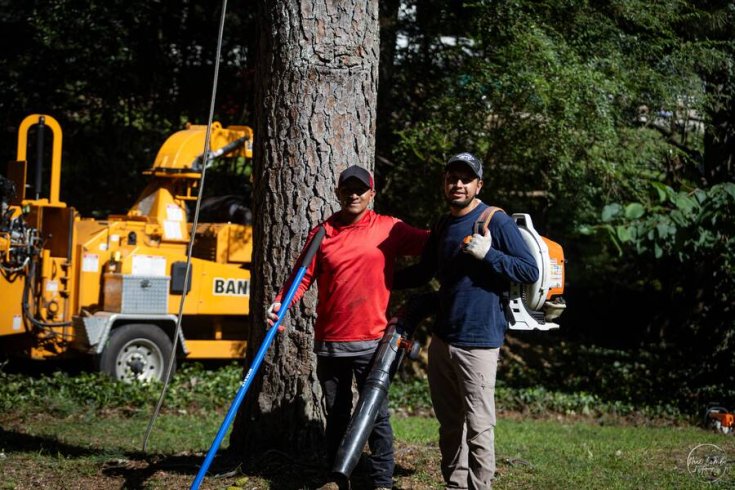
Let’s be real: times are tough. The economy has been a little shaky, inflation keeps nibbling away at paychecks, and a lot of homeowners are looking for ways to save money. That’s why DIY projects are more popular than ever.…
Read More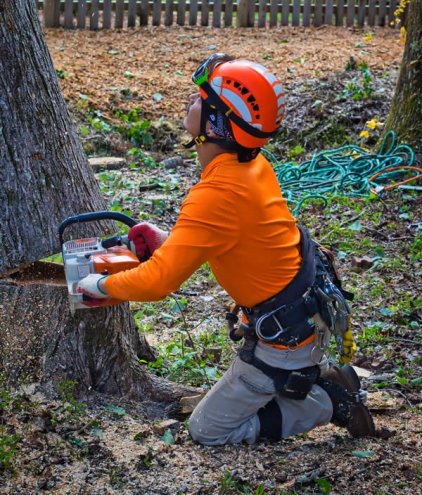
How to Become an Arborist An arborist or tree surgeon is a well-trained professional with extensive knowledge in applying various maintenance techniques to trees, vines, shrubs, and perennial plants. Suppose you are passionate about providing professional care to the trees…
Read More
How Tree Services Help Protect Homes and Landscapes Tree services comprise a wide range of activities, from trimming and pruning to disease management and removal. All these maintenance tasks play a crucial role in maintaining healthy and visually appealing landscapes.…
Read More
Ideal Evergreen Trees to Plant in Your Landscape Evergreen trees are a cherished addition to any landscape, providing year-round beauty and many practical benefits. While deciduous trees may shed their leaves in the fall, evergreens maintain their lush foliage throughout…
Read More
Best Time of Year for Tree Removal We love trees as much as anyone. After all, they give us oxygen, shade, beauty, and some even produce fruit… but we also understand that some trees become more of a problem than…
Read More