Menu
Menu

I began using Driscoll Tree Service back in 2021 and was so impressed with their knowledge and quality of work, I have only hired Driscoll Tree Service since! Just a few weeks ago, my large oak tree needed a trim and once again it was a great job!!
Michael came out to evaluate some trees I had with a questionable fungus on them, and ultimately the course of action was removal for a select few. He got me an estimate for the removal within a matter of days. They had the most competitive prices out of the other estimates I got. Michael is a very knowledgeable Arborist and you can tell he is passionate about his work. He wasn't pushy at all about the removal like some of the other companies I had come out, and he advised me on doing it in "phases" to fit my budget. The actual tree removal and stump grinding itself was so smooth and all the workers that came with the crane and stump service were very professional and communicative about what the process was going to be.
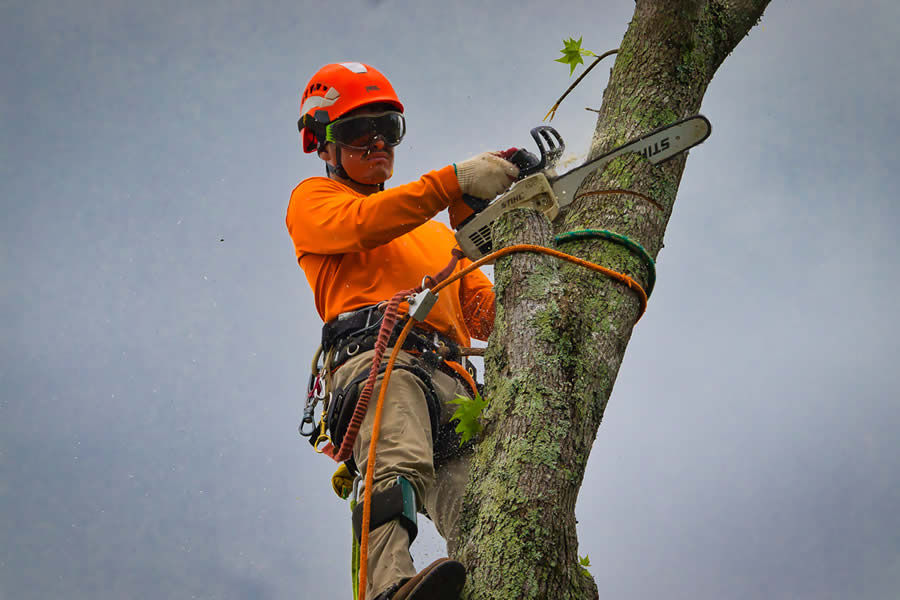
Trees usually develop cavities and holes over time, which are often mistaken for infections or infestations. While these fissures may raise concerns about the tree’s overall health, they are a natural part of growth. A common misconception about holes in trees is that filling them can prevent further deterioration and restore optimum health. Before attempting DIY solutions, consult a reputable tree care company like Driscoll Tree Service for guidance and professional help. If you notice cavities on your trees, understanding how to address the issue and improve overall health is crucial.
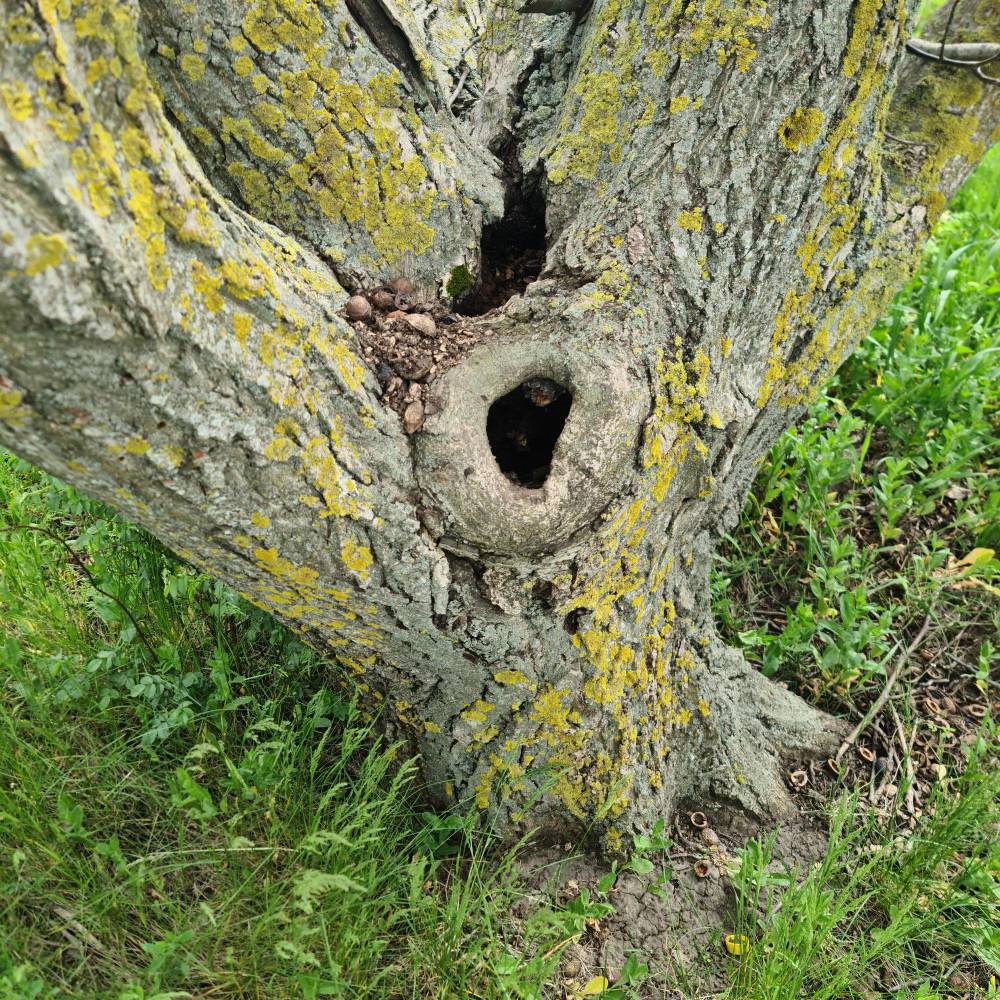
Tree damage is often the major cause of cavities, as they create a barrier between the wounds and openings with a thick layer of cells. There are many causes of damage on trees, including:
DIY enthusiasts often undertake landscaping projects like pruning. However, without the expertise or knowledge required, the risk of damage or premature tree removal is high. A common case of improper pruning habits is topping, where homeowners cut the top part of a tree. Removing a large part of the leaves and branches weakens the tree and eventually causes death if you don’t act quickly. You can avoid such scenarios by working with a trusted tree service provider to handle maintenance.
Another cause of cavities is mechanical damage. Whether mowing the lawn or trimming overgrown and damaged limbs, the tools used can damage the bark, causing wounds. Tree injuries can also occur when people intentionally carve into the bark, creating holes or cavities when they heal. It is crucial to work with professional arborists to mitigate mechanical damage to trees and subsequent repercussions.
Storms and harsh weather are common causes for tree injuries, leading to holes. When lightning strikes a tree, the bark is usually ripped off, forming a wound in the interior. Also, strong winds can break the bark or weak limbs, increasing vulnerability to infections, infestations and costly tree removal emergencies.
Once you notice holes in your trees, it is common to take a proactive approach in trying to solve the issue. However, the best option is to leave it alone and schedule a consultation with a trusted tree care company. Here’s what you should do if your tree has cavities.
Trees can deal with holes themselves, as long as it is well-watered, healthy, and receives sufficient nutrients. Despite the cause of injury, trees can prevent decay through compartmentalization. This entails sealing off damaged areas to block access to the rest of the tree.
Traditional solutions to cavities involved using different materials to fill them, such as cement and spray foam. Even if the damage is not visible after filling, the tree can decay from the inside, compromising overall health and strength. Tree service professionals and industry experts recommend leaving tree cavities to heal naturally.
Before addressing tree cavities and holes, contact the experts at Driscoll Tree Service and schedule a consultation with our experts. We have seasoned arborists ready to help you maintain healthy and durable trees without breaking the bank.
How to Become an Arborist An arborist or tree surgeon is a well-trained professional with extensive knowledge in applying various maintenance techniques to trees, vines, shrubs, and perennial plants. Suppose you are passionate about providing professional care to the trees…
Read More
Tree Removals for Pool Construction Installing a pool in your backyard is an exciting project, especially when you have countless hours of relaxation, fun, and exercise to look forward to. However, the journey from planning to the first swim often…
Read More
What Happens If Tree Roots Freeze? Wintertime isn’t just tough on plumbing and roofing; it is also brutal on trees. Tree roots can freeze when soil temperatures drop below 15°F or the water within the soil surrounding the roots freezes…
Read More
Identifying and Removing Hazardous Trees Trees add beauty to your premises and improve the overall quality of the environment. While these magnificent entities provide many benefits, detecting and addressing risks posed by hazardous trees is advisable. Whether a tree is…
Read More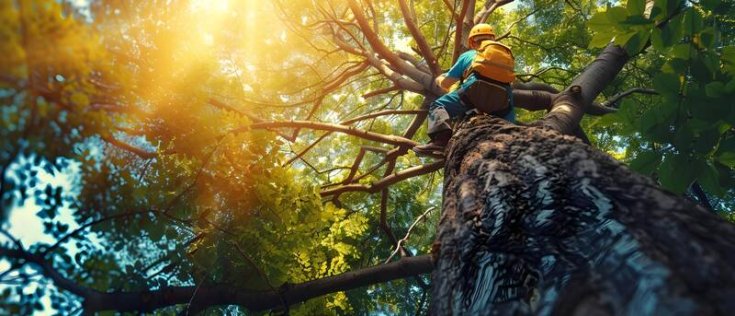
How to Prepare Your Property for Tree Removal So, you’ve finally made the decision. After weighing the options, saying a few goodbyes, and maybe snapping a photo or two, you’re ready to move forward with removing that tree – or…
Read More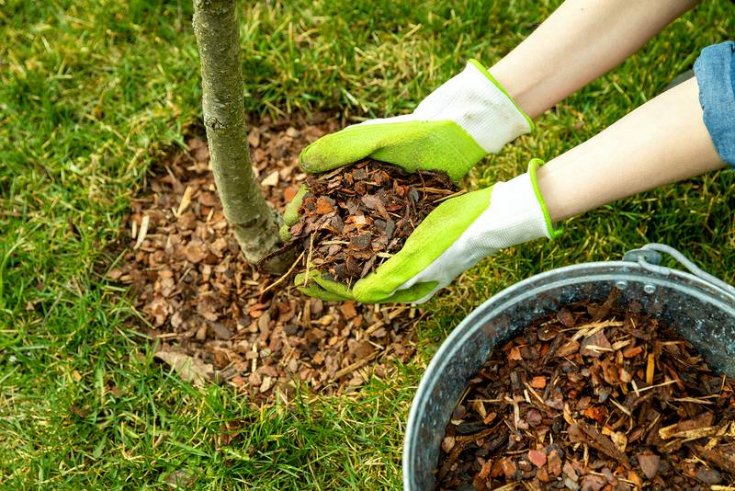
Mulch Myths and Truths As we head towards cooler months, it is critical to maintaining a healthy yard. One of the essential tree care practices before winter is adding a layer of mulch around your trees. You can use many…
Read More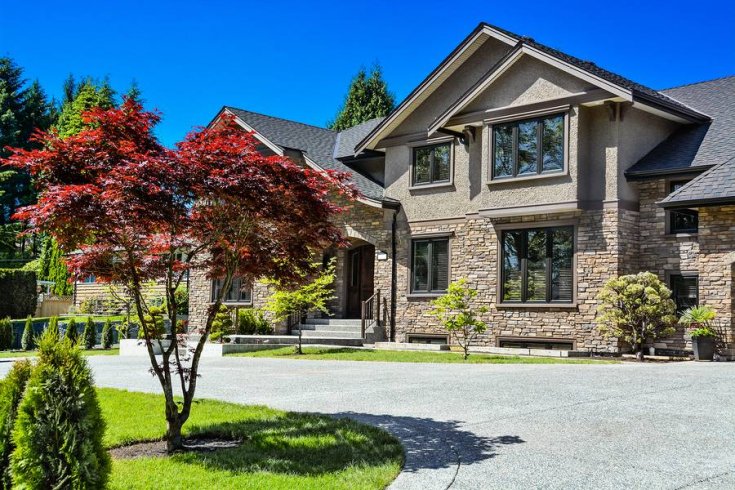
How To Protect Your Trees From Summer Trees are a valuable addition to any landscape and offer many environmental benefits. After spending many months of winter in dormancy, summer is finally here, bringing life to all the greenery in your…
Read More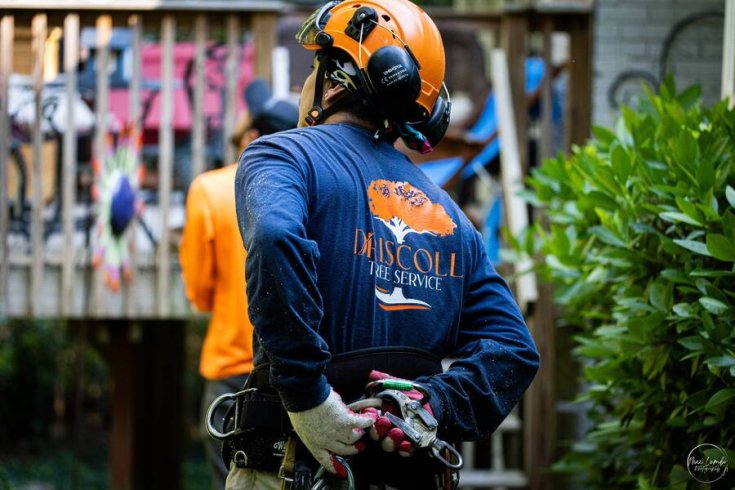
How Can Arborists Improve Your Yard As a property owner, hiring a professional tree service provider in Buford, GA to improve your yard can add significant value to your property. A certified arborist leverages extensive knowledge and experience to inspect,…
Read More
Eco-Friendly Tree Removal Trees are valuable entities in our ecosystems, providing habitats for wildlife, absorbing carbon dioxide, and improving the planet’s overall health. However, there are instances when tree removal is the best option to protect your yard from diseases,…
Read More
Top Reasons to Hire a Certified Arborist for Tree Services Trees are among the best investments you can make in your property. They offer aesthetic, provide shade, increase home value, and can even give you delicious fruit to enjoy. However,…
Read More