Menu
Menu

Great job they removed a big tree stump on our property with no problem and at a better price than the others guys wanted to charge us. Driscoll Tree Service team was on time and had the right equipment and got right to work.
The service for Driscoll Tree Service was outstanding. Michael came out to meet with me, explained the pros and cons of how to deal with my tree removal, and provided a clear quote for the service. The crew that came out to do the work was on-time, professional and did a great job. One of the trees they had to remove was tall and in a spot where they couldn't get any heavy equipment to it, but they were able to take it down in pieces without damaging my landscaping or fence. If you are looking for a professional and competent tree service, I definitely recommend calling Driscoll Tree Service.
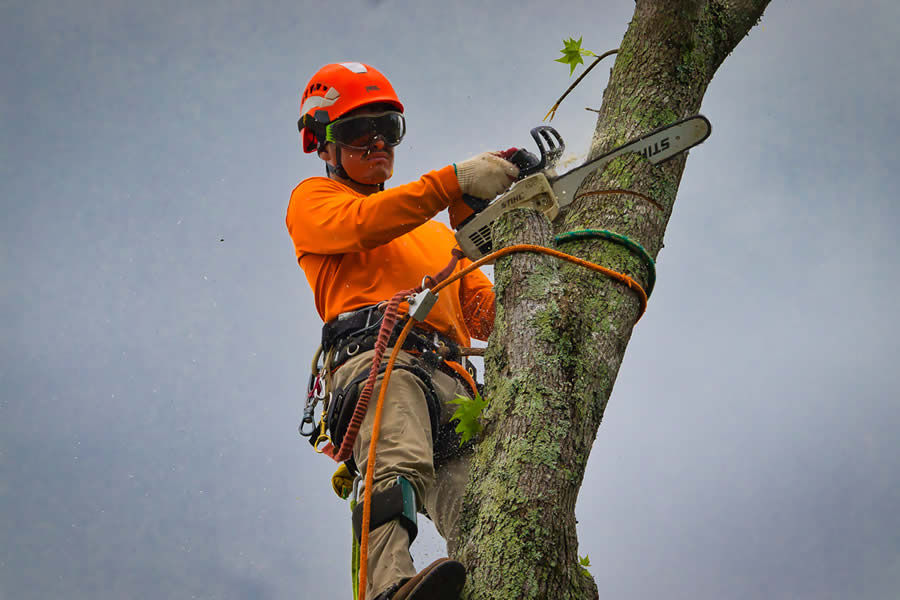
Trees are majestic entities that offer many benefits, from shade and air quality to providing a habitat for wildlife. However, mature trees can become heavy or grow with weak attachments, leading to structural issues and premature tree removal emergencies. If you have trees like sugar maples or other heavy-branched species in your backyard, Driscoll Tree Service can help you support the limbs this winter. The last thing you want is branches breaking under heavy snowfall, causing injuries, damages and costly repairs. Let’s delve into the best wiring or cabling to help you maintain the structural integrity of your trees.
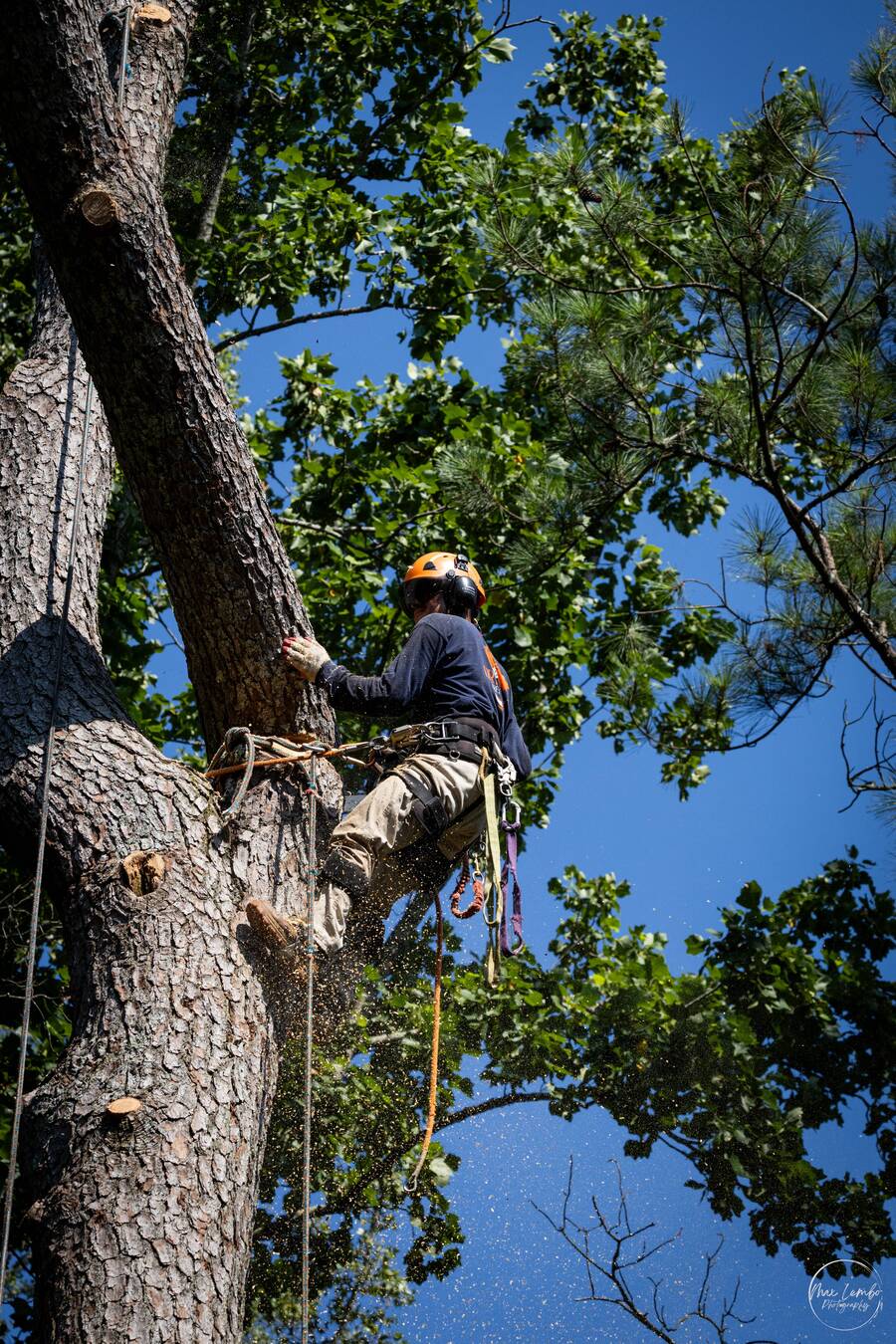
Before you can support heavy limbs, it is crucial to understand common structural issues that might prompt additional support. Some signs to look out for that require the expertise of tree service providers include dead, diseased, or dying branches. Certified arborists can determine if the limbs are salvageable or require removal to protect the rest of the tree.
Another telltale sign your tree needs support is poor canopy health or thinning because of pests or environmental stressors. A damaged canopy produces overly-exposed or dead branches that wreak havoc if left unattended. Once you detect thinning in the canopy, call a tree care company quickly to inspect, diagnose, and fix the problem.
Lastly, minor cracks through the bark and into the wood because of weather-related instances like lightning show the need for extra support. In addition, patterns of weak or overextending branches may require removal through strategic pruning. If you prefer a more hands-on approach, it is advisable to have a trusted tree service provider on hand for guidance. The last thing you want is a severely damaged tree because of improper pruning techniques, leading to unplanned tree removal emergencies.
There are several tree support systems that arborists recommend to help individual branches, leaders, or entire trees. Here are common support systems to consider for your trees this winter.
Tree cabling restricts the distance a codominant stem or branch moves in relation to the rest of the tree. This prevents excessive bending and breakage, maintaining maximum structural integrity throughout the harsh winter. Tree service providers also use cables to support weak forks, reducing the risk of breaking. Before cabling your limbs, schedule an inspection with trained professionals to determine the number of cables or if they should integrate brace rods.
Brace rods support trees with multiple leaders that have weak attachment points. Your tree care company may suggest brace rods to reduce the risk of leaders spreading and breaking apart. Also, these supportive devices help to repair split branches or separated forks. Based on the tree size, present decay, or structural issues, at least one cable can be integrated for additional support.
As a property owner, having a tree with heavy branches poses safety hazards and the risk of property damage if left unchecked. Contact us at the Driscoll Tree Service and schedule a consultation with our experts to install the proper system for your trees. Besides providing limb support, we provide planting, fertilization, pruning, and tree removal services, keeping your yard in tip-top shape.

Summer Pruning Tips for Cherry and Apricot Trees Tree pruning is vital for optimum health and longevity. It is the equivalent of a haircut, as it enhances aesthetics and prevents diseases. Unfortunately, many homeowners prefer handling yard maintenance alone, which…
Read More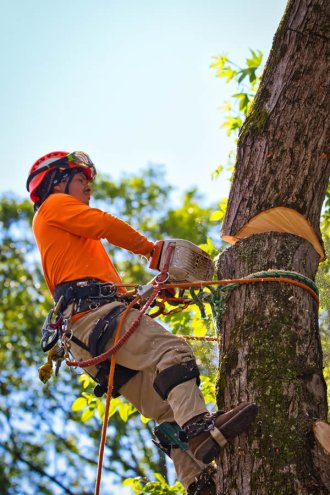
Hey there, Metro Atlanta neighbors! Whether you’re battling Bradford pears that shed like a husky in July or nurturing a century-old oak that’s seen more history than Peachtree Street, the tree care specialists at Driscoll Tree Service have some tips…
Read More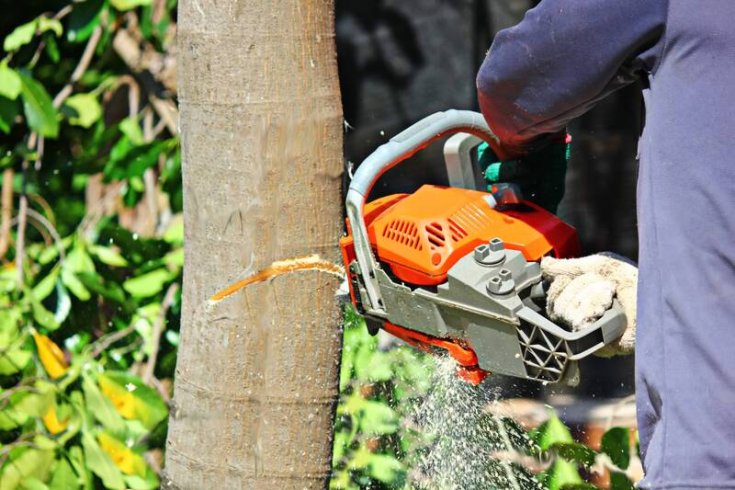
Debunking Common Myths About Tree Removal Trees are magnificent entities that provide many advantages. However, different circumstances like disease, infestation, landscaping needs, or severe damage may prompt tree removal services. While healthy greenery is an asset for property owners, when…
Read More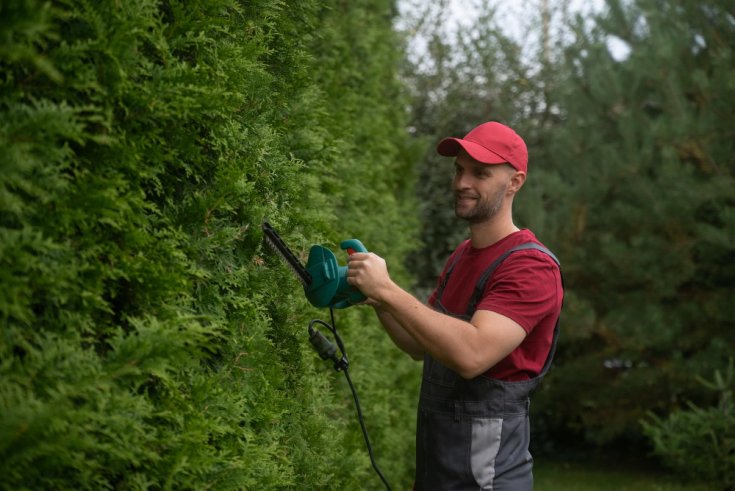
How Tree Companies Improve Property Safety and Appearance When homeowners think about the security and appearance of their homes, they tend to consider only the house in terms of structure, landscaping, and exterior. However, there is one component that has…
Read More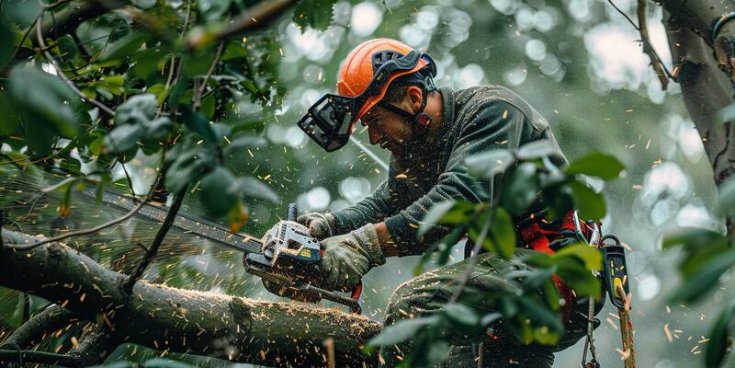
Seasonal Tree Care Tips to Keep Your Yard Healthy Tree care is not a one-and-done ordeal; a beautiful and healthy yard demands constant attention. That doesn't mean you have to sit at your window and watch the trees 24/7, but…
Read More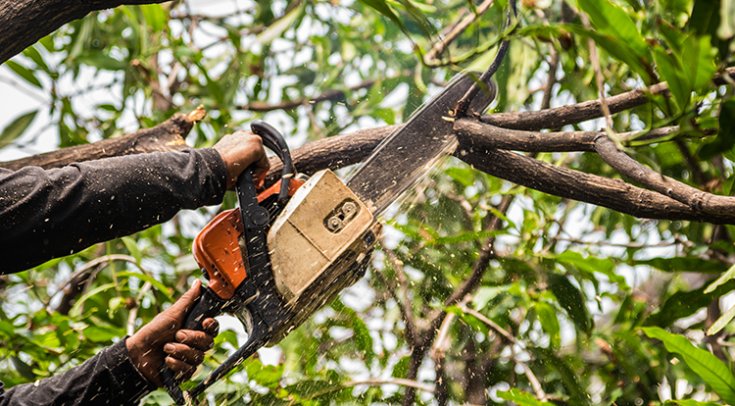
Guide to Trimming Trees Near Power Lines If there’s one piece of advice we could give about trimming trees near power lines, it would be this: leave it to the trained and experienced professionals. Working around live power lines is…
Read More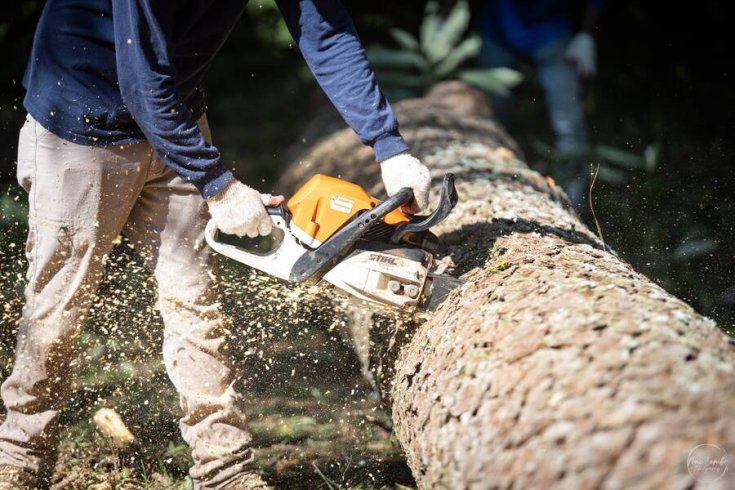
When Is It Time to Say Goodbye to a Tree? Signs Your Tree Might Be Better Removed There’s nothing like sitting under a shady oak on a hot Georgia afternoon or watching the dogwoods bloom in spring. We love trees…
Read More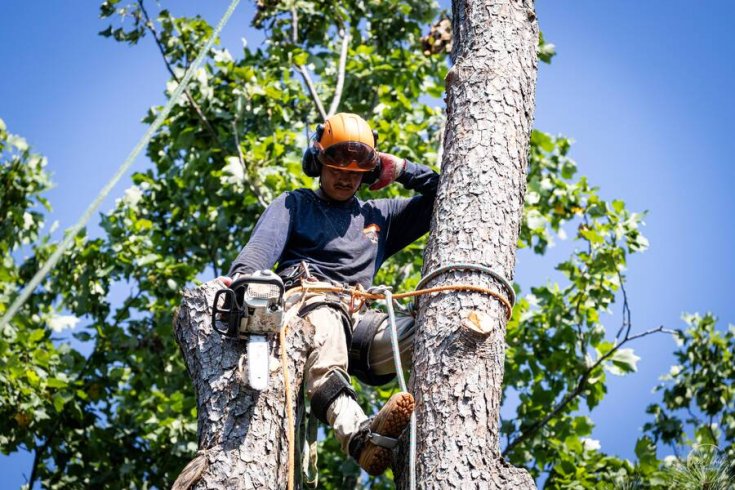
Pruning Mistakes That Invite Pests Into Your Home Proper pruning keeps trees healthy, encourages strong growth, and grabs the attention of prospective buyers and tenants. When pruning is done hastily or incorrectly, however, it can open the door to much…
Read More
What Are Hidden Underground Hazards? Underground hazards are often overlooked, yet they pose significant risks to public safety, infrastructure, and the environment. These hazards range from natural occurrences to human-made dangers, and knowing them is crucial for any property owner.…
Read More
Identifying and Removing Hazardous Trees Trees add beauty to your premises and improve the overall quality of the environment. While these magnificent entities provide many benefits, detecting and addressing risks posed by hazardous trees is advisable. Whether a tree is…
Read More