Menu
Menu

I began using Driscoll Tree Service back in 2021 and was so impressed with their knowledge and quality of work, I have only hired Driscoll Tree Service since! Just a few weeks ago, my large oak tree needed a trim and once again it was a great job!!
This is the second time using Driscoll, and we are pleased with the service. Michael is knowledgeable and punctual. We had eight trees trimmed, and they left no traces of the work in our yard. Polite workers. Reasonably priced as well. Highly recommend.
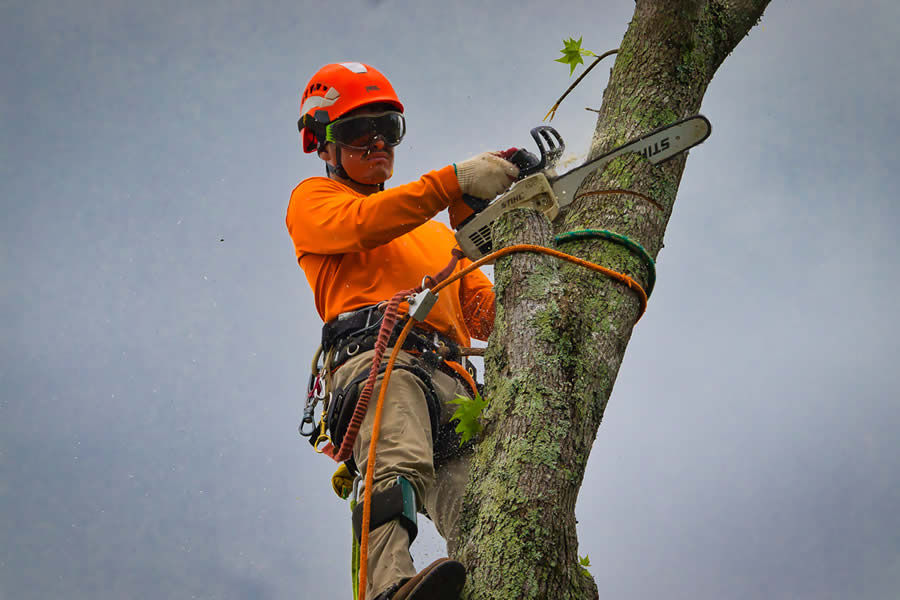
As the temperature increases, many people seek refuge indoors. However, shade trees can protect you from the heat and sun, allowing you to undertake various outdoor tasks. Whether you want to grow birch or maple trees, Driscoll Tree Service can help you get the most out of your investment. As a reputable tree care company, we understand the benefits of shade trees and provide tailored solutions to enhance the comfort of your home. Let’s delve into the advantages these trees provide to help you make an informed decision.
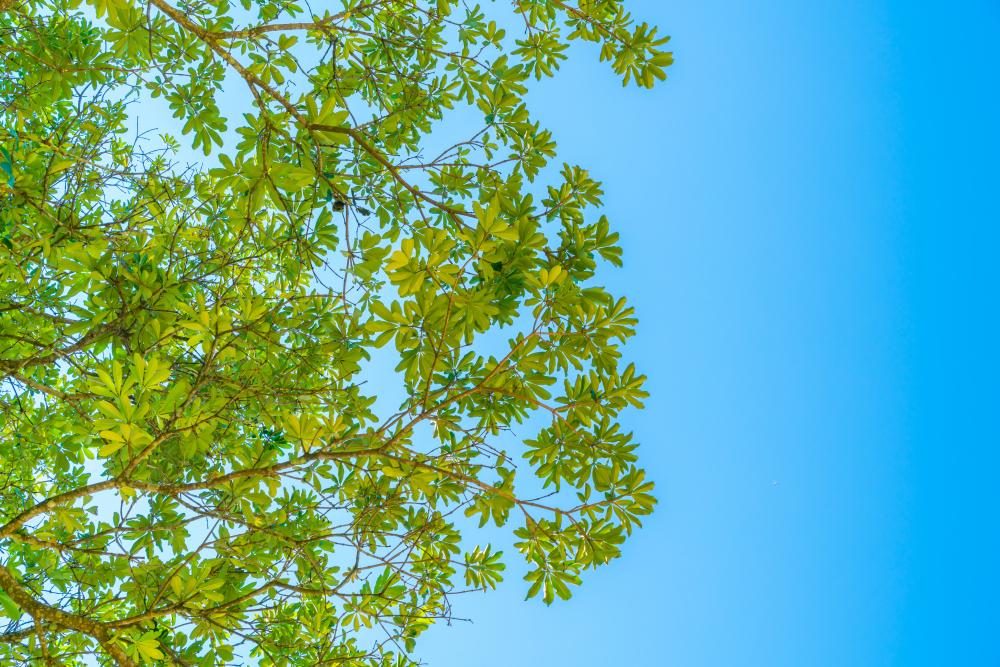
When temperatures increase, the last thing you want is to experience the same heat indoors. While running your AC throughout the hot season can cool your living and working spaces, you risk higher utility costs. Arborists in Auburn, GA can strategically plant shade trees on your premises to block the sun, cooling your home without overwhelming the HVAC system or racking up the bill. Also, growing shade trees allows you to enjoy your outdoor spaces in the summer.
Shade trees purify the air through photosynthesis, as they absorb carbon dioxide and release oxygen. In addition, they filter pollutants such as nitrogen oxides and particulate matter, making urban areas healthier places to live. If you want to minimize the effects of urban heat, consult a tree care company to grow trees that block the sunlight from heating surfaces.
In addition, shade trees are critical in conserving water and preventing soil erosion. Their roots stabilize the ground, reducing runoff during heavy rains, while their canopy slows water evaporation from lawns and gardens. These factors contribute to healthier ecosystems and more sustainable environments.
Research shows that having shade trees enhances mental and physical health. Being surrounded by greenery reduces stress, lowers blood pressure, and improves mood. If you live in areas with abundant trees, you are less likely to have depression and anxiety.
Also, shade trees protect us from harmful ultraviolet (UV) rays, reducing the risk of skin cancer. They also provide cool, shaded spaces for outdoor activities, encouraging exercise and fostering community interactions. Tree service experts can ensure your yard is lined with shade trees, transforming it into a gathering spot that promotes social well-being.
Shade trees are home to countless species of birds, insects, and other wildlife. When you hire tree service providers to plant shade trees, they create natural habitats that support biodiversity. Birds use these trees for nesting, while pollinators like bees and butterflies benefit from the flowers and nectar they provide. In urban areas, where natural habitats are scarce, shade trees provide refuge for wildlife, contributing to a more balance local ecosystem.
As the climate changes, shade trees become increasingly vital. They help mitigate the effects of extreme weather, such as heatwaves and heavy storms. However, routine care is vital to maintain healthy greenery and avoid unplanned tree removal emergencies. Since shade trees combat global warming by absorbing carbon, they are vital in combating climate change. Their cooling effects and ability to manage stormwater make your home and neighborhood more resilient to climate changes.
Shade trees are aesthetic additions that provide many benefits. Whether planted in backyards, along streets, or in public parks, these trees contribute significantly to the well-being of individuals and communities. Contact us at the Driscoll Tree Service and schedule a consultation with our arborists to make the most of your shade trees. We provide comprehensive services, including fertilization, pruning, trimming, and tree removal, at competitive rates.
Who is Responsible for a Fallen Tree? Healthy and well-cared-for trees can be a valuable asset to your property, enhancing its beauty and value. However, the natural world can sometimes be unpredictable, and when a tree or large branch falls,…
Read More
Yellow Leaves in Summer The sight of trees adorned with vibrant shades of red, orange, and yellow during fall is a natural spectacle that always captivates. However, when those same trees display yellow leaves in the summer, it may be…
Read More
Essential Tree Care Tips for Every Season Trees require regular care and maintenance to thrive. However, different seasons call for specific care to prevent irreversible damage and premature tree removal emergencies. With that in mind, hiring a professional tree care…
Read More
It’s one of the most classic homeowner dilemmas: you plant a tree, watch it grow tall and proud for decades until, one day, you notice the driveway starting to buckle. Cracks appear and spread; the once-smooth concrete begins to lift…
Read More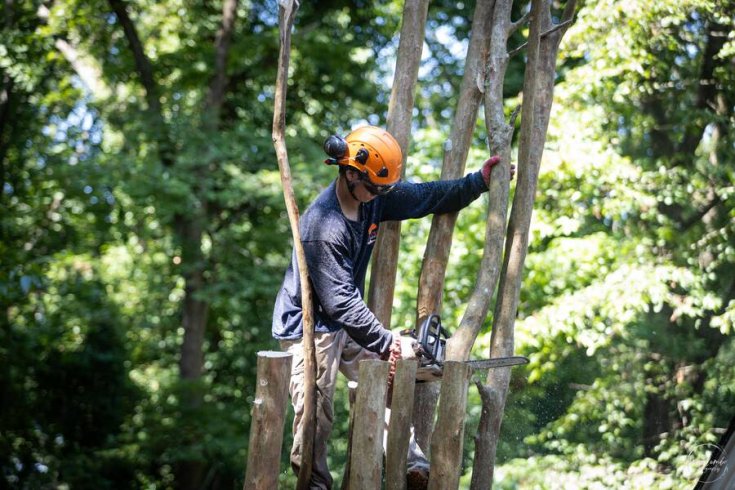
Trees are beautiful, strong, and bring life to your yard - but only when they’re well cared for. Regular tree trimming keeps your trees healthy, prevents branches from growing too close to your home, and reduces the risk of falling…
Read More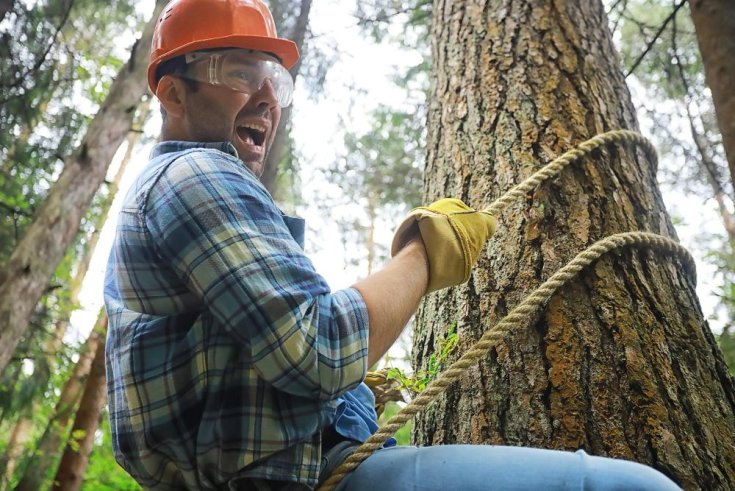
Tips to Avoid a Tree Service Scam Tree care and maintenance are essential parts of responsible homeownership, but finding a reputable tree service provider can be a daunting task. With all the companies out there, it is easy for unsuspecting…
Read More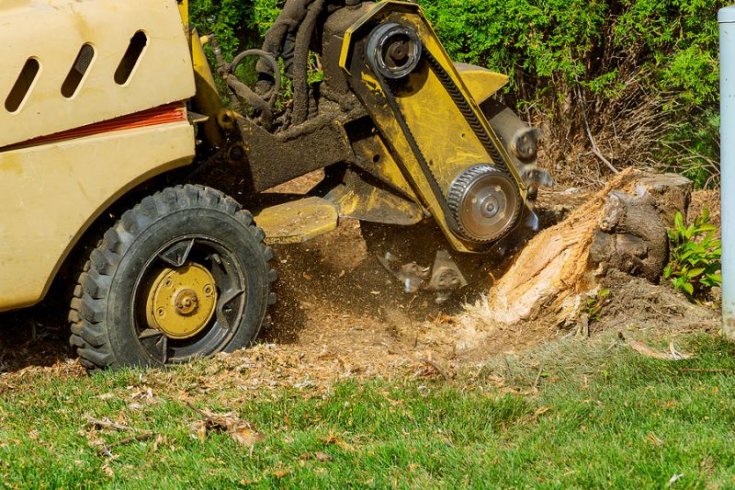
The Best Way to Remove a Tree Stump When a tree is cut down for whatever reason, the stump left behind is not just an eyesore but also a safety hazard on your premises. Waiting for the stump to decompose…
Read More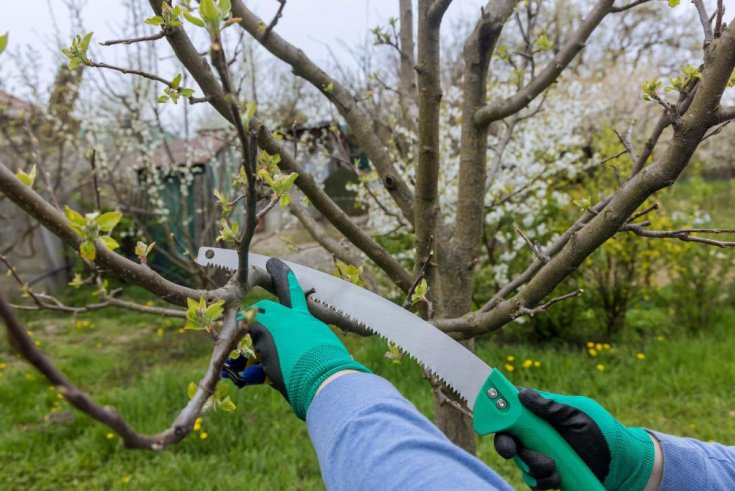
Hazard Limbs in Trees Trees are majestic entities that provide many ecological benefits, adding beauty and vitality to our surroundings. Besides their magnificent presence, there’s an underlying problem: hazardous limbs. These precarious branches pose property and personal safety risks, especially…
Read More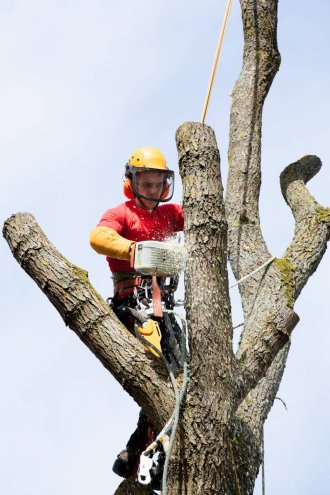
Dead or Dying Trees: Why Waiting Is Risky Sickness and death are facts of life. That applies to people, pets, and yes—even trees. Trees grow, thrive, decline, and eventually die. It’s part of the natural cycle. In a forest, a…
Read More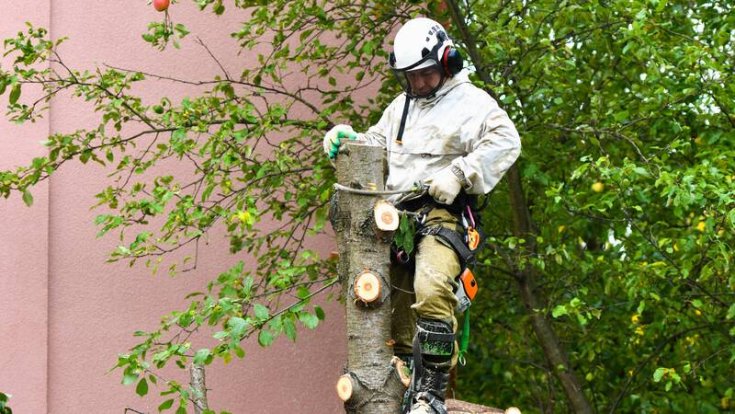
How Tree Companies Balance Safety and Environmental Responsibility When people hear the words “tree service,” they often think it’s all about cutting branches or whole trees down. On the flip side, some folks imagine environmental responsibility to be leaving trees…
Read More