Menu
Menu
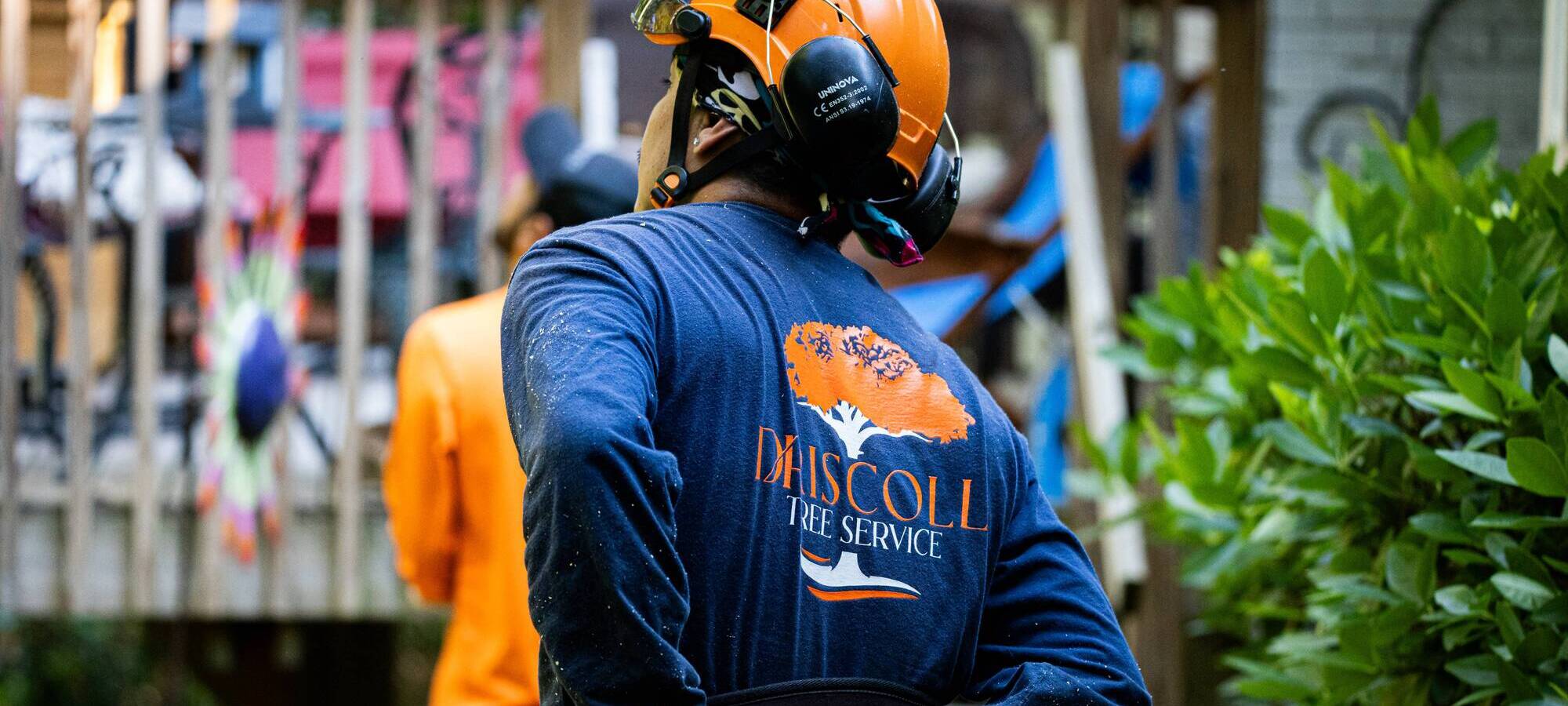

Michael came out to evaluate some trees I had with a questionable fungus on them, and ultimately the course of action was removal for a select few. He got me an estimate for the removal within a matter of days. They had the most competitive prices out of the other estimates I got. Michael is a very knowledgeable Arborist and you can tell he is passionate about his work. He wasn't pushy at all about the removal like some of the other companies I had come out, and he advised me on doing it in "phases" to fit my budget. The actual tree removal and stump grinding itself was so smooth and all the workers that came with the crane and stump service were very professional and communicative about what the process was going to be.
The service for Driscoll Tree Service was outstanding. Michael came out to meet with me, explained the pros and cons of how to deal with my tree removal, and provided a clear quote for the service. The crew that came out to do the work was on-time, professional and did a great job. One of the trees they had to remove was tall and in a spot where they couldn't get any heavy equipment to it, but they were able to take it down in pieces without damaging my landscaping or fence. If you are looking for a professional and competent tree service, I definitely recommend calling Driscoll Tree Service.
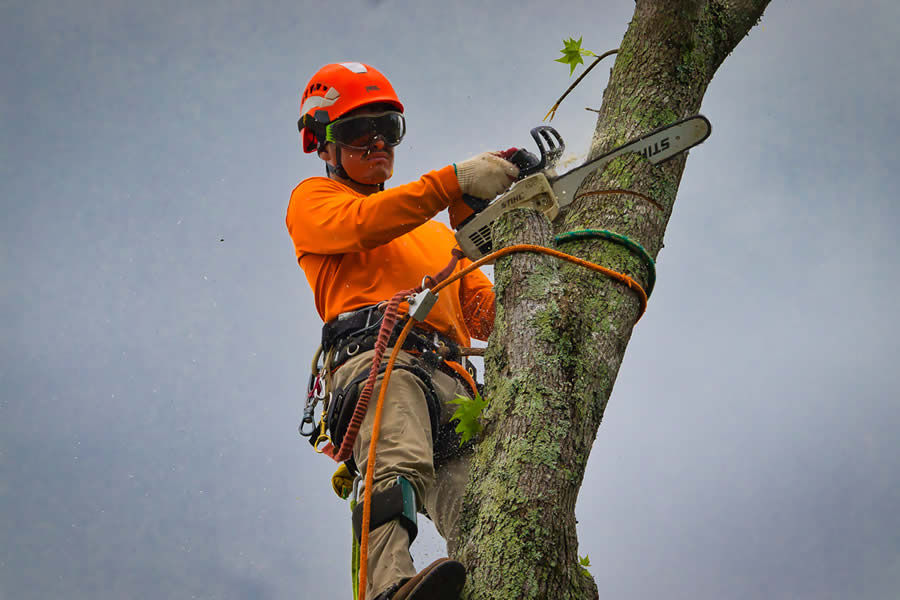
Trees are beautiful, essential for our environment, and vulnerable to various pests that can cause significant damage. These pests can compromise the health and longevity of trees, leading to their decline or even death. Tree owners must know of these harmful pests and take preventive measures like hiring Driscoll Tree Service to protect them. Regular inspections by a professional tree service provider are vital in promptly identifying and addressing pest-related issues.
The emerald ash borer is a highly destructive insect that targets ash trees. Its larvae tunnel through the tree’s inner bark, disrupting the flow of water and nutrients. Infested ash trees often exhibit thinning foliage, crown dieback, and tree mortality.
Originating from Asia, the Asian long-horned beetle poses a significant threat to various tree species. These beetles bore into the trunks and branches, creating tunnels that weaken the tree’s structure. Signs of infestation include round exit holes, oozing sap, and sawdust-like frass.
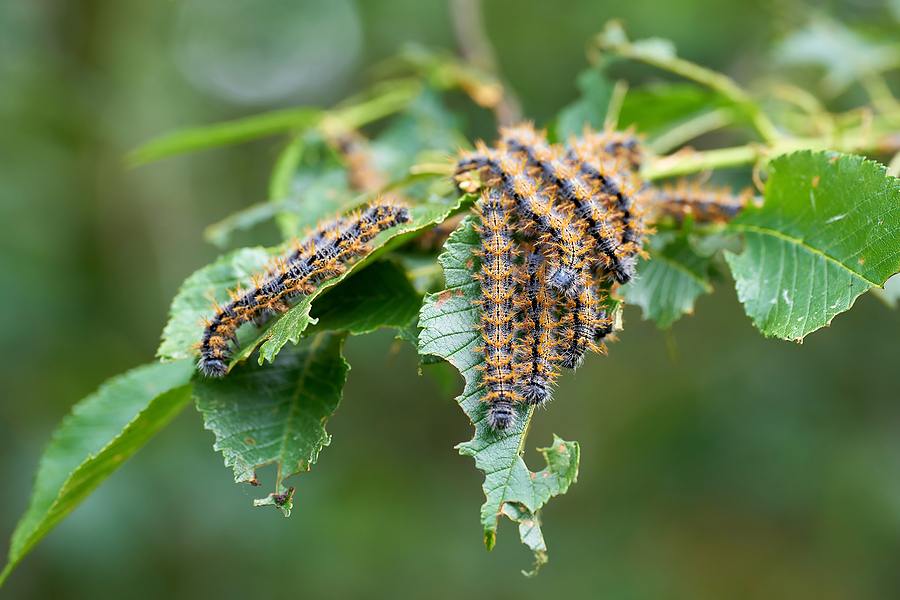
The gypsy moth is notorious for defoliating trees. Their caterpillars consume the leaves, leaving trees vulnerable to additional stress and diseases. Severe infestations can weaken trees, making them susceptible to other pests and environmental stressors.
Pine bark beetles attack pine tree species, particularly those weakened by drought, disease, or injury. These beetles bore through the bark, disrupting the tree’s vascular system. Infested trees display yellowing or reddening foliage and resinous pitch tubes, eventually dying off.
Routine inspections conducted by a tree care company are vital for maintaining healthy trees and preventing extensive pest-related damage. Here are reasons to consider working with a trusted tree service provider.
Professional arborists are trained to identify signs of pest infestations even before visible symptoms appear. Their expertise enables them to spot subtle indicators and take swift action to mitigate the issue. Early detection and intervention increase the chances of saving an infested tree and minimizing the spread of pests.
Arborists can assess the severity of pest infestations and develop customized pest management strategies. These strategies may involve a combination of cultural practices, insecticides, biological control, or tree removal if necessary. By tailoring their approach, arborists optimize the effectiveness of pest control measures while minimizing any potential environmental harm.
Regular inspections help maintain the overall health of trees and the surrounding ecosystem. By addressing pest issues promptly, arborists ensure trees continue to provide essential benefits like shade, air purification, and wildlife habitat. Healthy trees contribute to a vibrant and sustainable environment.
Arborists can provide valuable advice on preventive measures to minimize the risk of future pest infestations. We can recommend tree species selection, proper planting techniques, and tree care practices that discourage pests. Proactive steps based on their guidance can significantly reduce the likelihood of pest problems in the future.
Understanding the harmful pests that affect trees and the damage they cause is crucial for tree owners. Scheduling routine inspections with a professional tree care company is essential to identify and address pest-related issues quickly. Driscoll Tree Service can protect your trees, preserve the environment, and ensure the longevity of these valuable natural assets. Contact us today to enjoy top-notch services at competitive market rates.
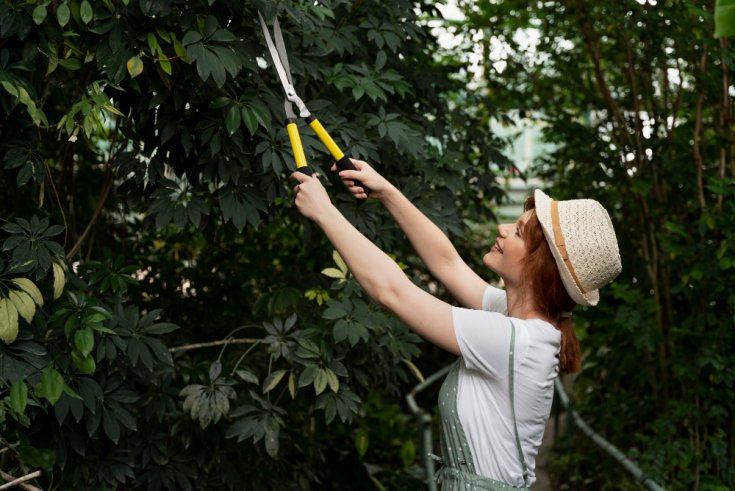
How Proper Pruning Techniques Help Shape Young Trees Young trees require careful pruning during their early years to develop strong structure, balanced growth, and long-term stability. Without proper trimming, trees may develop weak branches, uneven canopies, overcrowded limbs, or structural…
Read More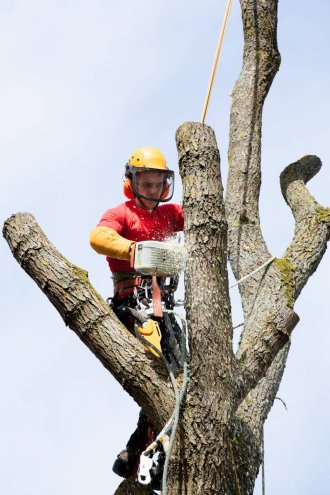
Dead or Dying Trees: Why Waiting Is Risky Sickness and death are facts of life. That applies to people, pets, and yes—even trees. Trees grow, thrive, decline, and eventually die. It’s part of the natural cycle. In a forest, a…
Read More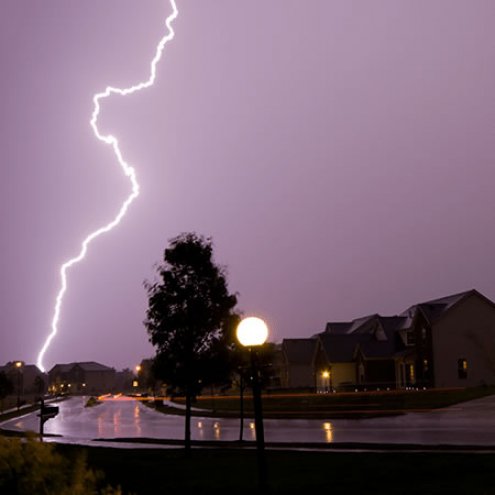
Trees and Lightning Strikes Lightning doesn’t strike the same place twice. While this might be true, you know how destructive it can be if you live in an area that frequently experiences such weather phenomena. Towering trees are easy targets,…
Read More
Yellow Leaves in Summer The sight of trees adorned with vibrant shades of red, orange, and yellow during fall is a natural spectacle that always captivates. However, when those same trees display yellow leaves in the summer, it may be…
Read More
3 Commonly Used Tree Trimming Tools Trees offer many benefits, making them a valuable addition to any landscape. Like most living things, proper care is vital for growth and development, hence the need to schedule routine inspections with a professional…
Read More
Signs a Tree Might Fall Many property owners appreciate and love their trees but must notice the potential danger some trees present. Research shows that many tree-related accidents could be avoided if people knew the signs and symptoms of a…
Read More
How Much Does It Cost to Remove a Tree? For starters, tree removal should be left to the professionals, whether the tree is big or small. A DIY approach may seem like a way to save money, but we don’t…
Read More
How to Support Tree Limbs Trees are majestic entities that offer many benefits, from shade and air quality to providing a habitat for wildlife. However, mature trees can become heavy or grow with weak attachments, leading to structural issues and…
Read More
Pruning Mistakes That Invite Pests Into Your Home Proper pruning keeps trees healthy, encourages strong growth, and grabs the attention of prospective buyers and tenants. When pruning is done hastily or incorrectly, however, it can open the door to much…
Read More
How Does Drought Affect Trees? Drought is a prolonged deficit between water supply and demand. This means long-term conditions of increased demand without sufficient water supply cause drought. With the rise of global warming and climate change, many parts of…
Read More