Menu
Menu

I began using Driscoll Tree Service back in 2021 and was so impressed with their knowledge and quality of work, I have only hired Driscoll Tree Service since! Just a few weeks ago, my large oak tree needed a trim and once again it was a great job!!
We called to have two large pine trees removed since they were in the way of where we needed to put our fence. We are slackers and always wait until the last minute to do anything so of course, we tried to find someone that could take these out quickly as we needed it done ASAP. These guys came out the same day I called and were able to get them out the next day. I was so impressed by how nice and professional they are, it’s nearly impossible to get anyone to come out and/or follow up with anything so it was extremely refreshing that they did both without me having to call and ask what the hold up was. I will forever use this company for future needs. Thank you again!!
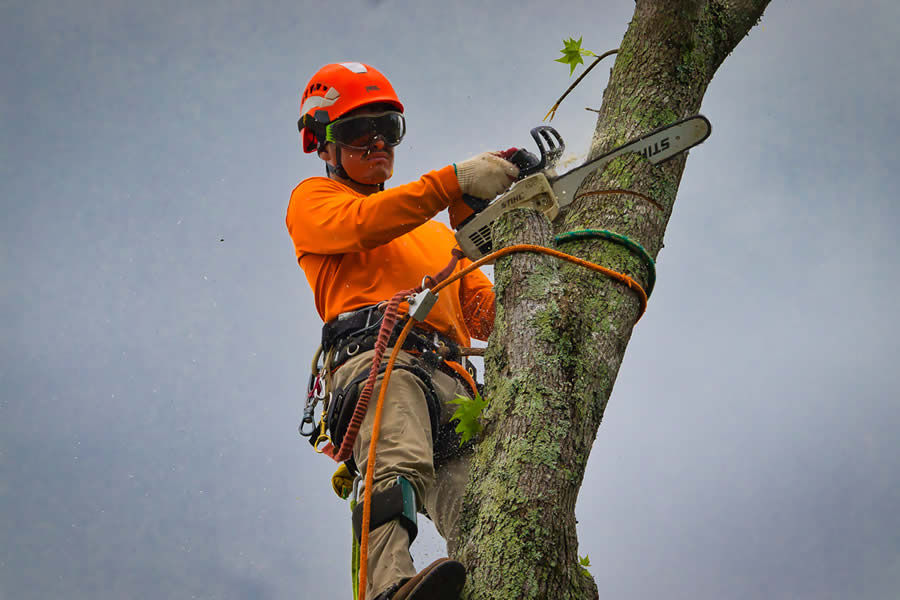
Trees are valuable to our homes and environment, providing oxygen, shade, and aesthetic appeal. However, trees can suffer from various health issues like other living organisms, prompting the expertise of a professional tree care company. At the Driscoll Tree Service, we leverage extensive knowledge and experience to identify the symptoms of an unhealthy tree before they escalate. If you suspect a problem in your backyard, schedule an inspection with certified arborists to ensure minor issues get out of hand. Here are eight common signs that show a tree in distress.
The most noticeable symptom of an unhealthy tree is the discoloration of its leaves. Healthy leaves are usually vibrant green, but when a tree is under stress, its leaves may turn yellow, brown, or even black. Discolored leaves can show several problems, including nutrient deficiencies, diseases, or root issues. As a reputable tree care company, we can diagnose the cause and recommend effective treatment options to mitigate a recurrence.
A healthy and full canopy is a sign of a healthy tree. However, an unhealthy tree may show a thinning canopy with gaps or bare branches. This is often a result of insufficient sunlight, pest infestations, or diseases that weaken the tree’s ability to produce leaves. A sparse canopy reduces the tree’s beauty, showing an underlying issue that requires attention. Once you notice thinning along the top, call a trusted tree service to inspect, diagnose, and address the problem.
Dead or dying branches are signs of severe health deterioration. If you notice brittle branches that don’t have leaves, it might be time to hire an expert. Damaged limbs pose a safety hazard, as they can fall and cause damage or injury. Tree service providers can assess the severity of damage to determine effective solutions, like pruning or tree removal.
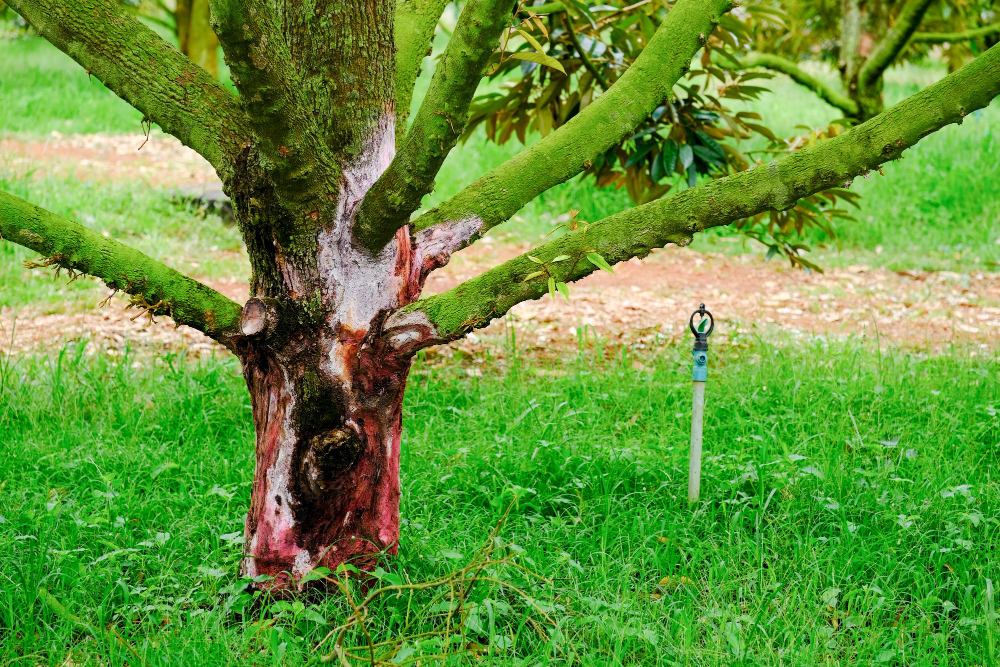
A tree’s bark is a protective armor, shielding it from pests, diseases, and environmental stressors. If you notice wounds, cracks, or peeling bark on your tree, schedule an inspection with professional arborists. Bark damage increases susceptibility to pests and diseases, compromising its overall health. Once you notice bark issues, address the problem quickly to prevent further damage. The last thing you want is a dying or dead tree on your premises, risking the well-being of other trees and the quality of your premises.
Fungal growth on a tree’s trunk or branches is a telltale sign of poor tree health. Fungi thrive on weak or dead wood, often appearing as mushrooms or conks. These organisms can cause extensive damage by affecting the tree’s structural integrity. While fungal growth is not a significant cause for concern initially, identifying and treating the underlying issue causing fungal growth is essential to preserve the tree’s vitality.
Healthy trees should have steady growth, with new branches and foliage yearly. When a tree doesn’t reach its expected height or size, it shows an underlying problem. This may result from factors such as poor soil quality, nutrient deficiencies, or root damage hindering a tree’s growth. Consult a tree service provider to address these issues and ensure your tree thrives.
Although deciduous trees naturally shed their leaves in the fall, excessive leaf drop or premature leaf loss at other times of the year is a cause for concern. Common stressors like drought, disease, or insect infestations can prematurely cause a tree to shed leaves. The best way to avoid such problems is by monitoring the timing and extent of leaf loss to provide valuable insights into the tree’s health.
Sucker growth refers to the emergence of twig-like shoots at the base of the tree or along its branches. These shoots often respond to stress, injury, or root issues. While they may seem harmless, suckers divert valuable resources away from the tree’s primary structure and can exacerbate its health problems. Pruning or removing suckers is essential to promote the tree’s recovery.
Trees are essential to our natural environment, and their health is vital. Recognizing the symptoms of an unhealthy tree is the first step in preserving its vitality and preventing potential hazards. Contact us at the Driscoll Tree Service for regular inspections and timely interventions like tree removal to maintain the beauty in our surroundings.
Different Types of Trees Should Be Trimmed at Different Times Towering, intricate, and surprisingly sensitive, trees are among the most impressive living things on Earth. For Metro Atlanta property owners, trees are a central part of the landscape. These functional,…
Read More
How to Prevent Tree Hazards Tree failure is a tree's breakdown from various problems. All trees are vulnerable to problems, even healthy trees. Careful inspection of your trees can allow you to identify any potential hazards and possible treatments. Driscoll…
Read More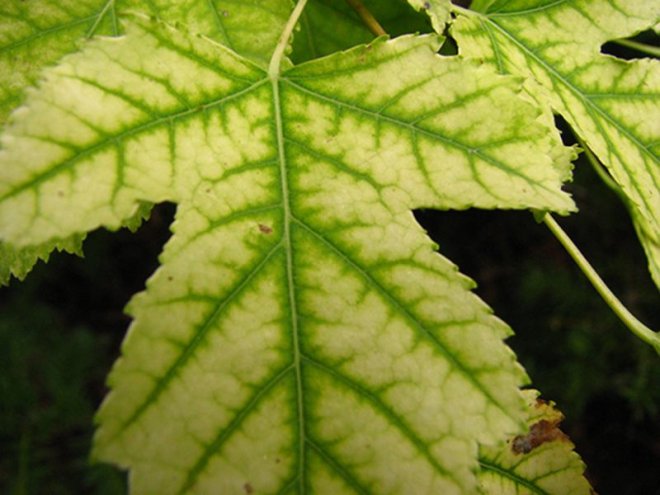
Iron Chlorosis in Trees Trees play a crucial role in the ecosystem, from purifying the air to improving curb appeal. However, many signs of tree damage go undetected, hence the need to schedule regular maintenance checks with a reputable tree…
Read More
The Best Landscaping Services for Residential and Commercial Properties Landscaping enhances residential and commercial properties’ aesthetic appeal, functionality, and overall value. When most people think of landscaping, images of lush green lawns and vibrant gardens come to mind. However, landscaping…
Read More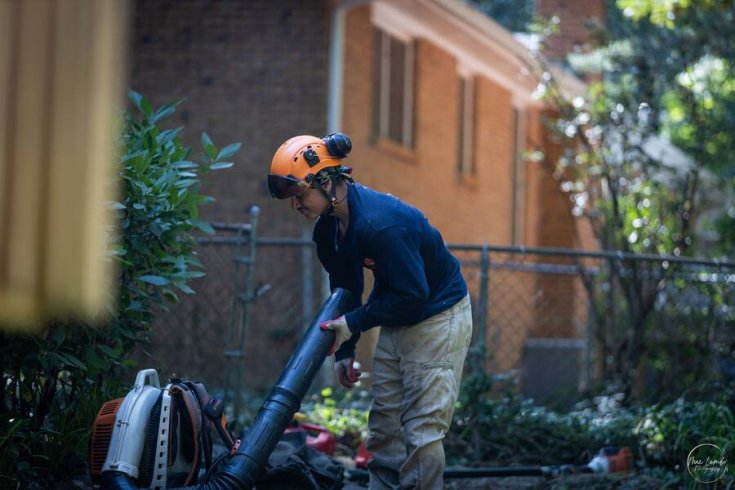
It should go without saying that when it comes to caring for your trees, hiring a professional is always the smarter choice. Whether you’re dealing with routine trimming, storm cleanup, or a full tree removal, the risks and complexities make…
Read More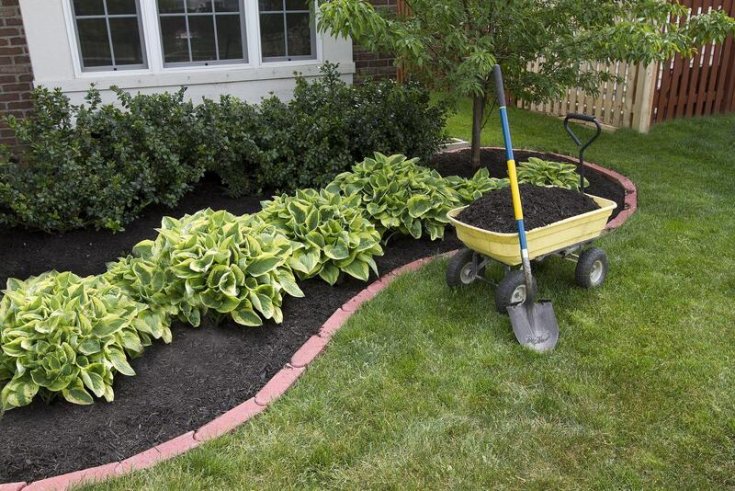
What are the Benefits of Brush Mulching? Mulching is a standard tree care practice that helps with moisture retention and soil nourishment. While there are several mulching techniques, brush mulching offers a sustainable solution to land management, as it entails…
Read More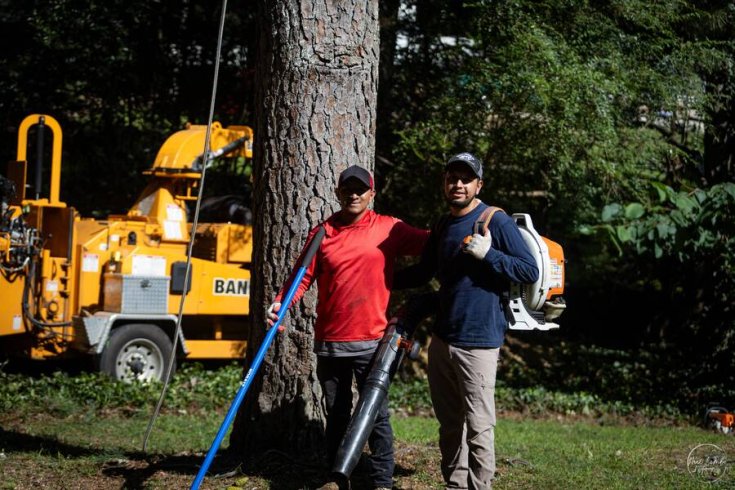
Storm Cleanup Tree Services: What Happens After Damage Summer is a couple of months off but storm season is never far away. Strong winds, heavy rain, and lightning can strike fast and leave a big mess behind. Trees often take…
Read More
Why Trees Are So Important to Your Community As Arbor Day approaches, it reminds us of the significance of trees in our communities. Besides aesthetic appeal, trees are vital in enhancing the quality of life for humans and wildlife. From…
Read More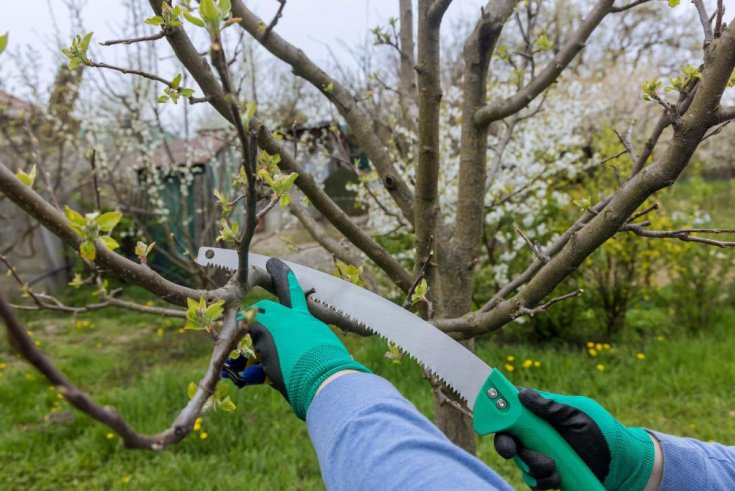
Hazard Limbs in Trees Trees are majestic entities that provide many ecological benefits, adding beauty and vitality to our surroundings. Besides their magnificent presence, there’s an underlying problem: hazardous limbs. These precarious branches pose property and personal safety risks, especially…
Read More
Tree Roots and Your Foundation: What Homeowners Should Know We like to think of trees as majestic givers offering shade on a blazing Georgia afternoon, adding character to a property, and even producing fresh fruit given the right season. But…
Read More