Menu
Menu

I began using Driscoll Tree Service back in 2021 and was so impressed with their knowledge and quality of work, I have only hired Driscoll Tree Service since! Just a few weeks ago, my large oak tree needed a trim and once again it was a great job!!
I used Driscoll Tree Service for years in Snellville, and now we use them in Atlanta. They do an excellent job every time. Friendly and knowledgeable crew. Results are always great. Thanks, Driscoll Tree Service!
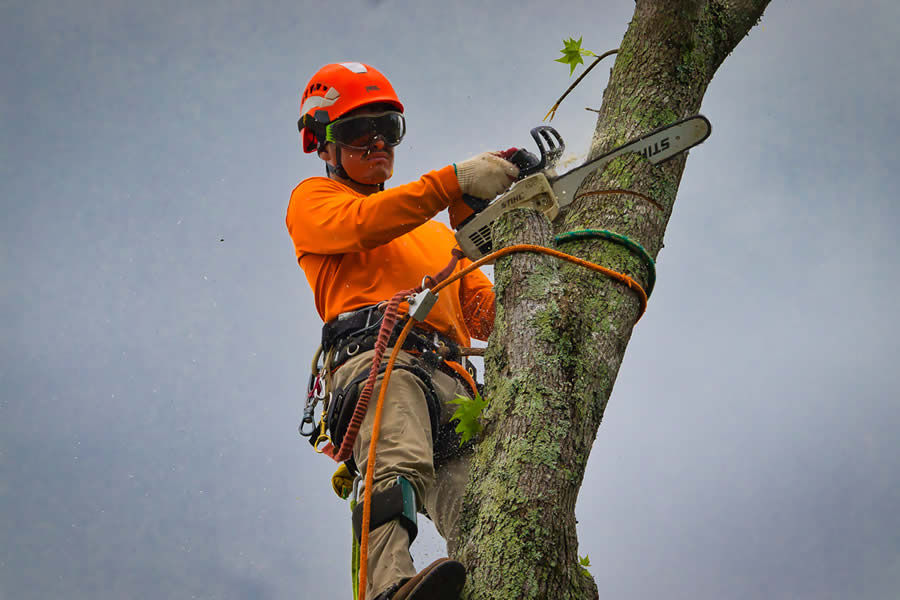
Trees are valuable additions to any landscape and offer various environmental benefits. Regular care is critical to maintaining healthy and durable trees, like most living things. If you suspect deterioration in your trees, the best solution is to hire a professional tree service. While the damage may not be severe, it usually shows an underlying issue that becomes more pronounced in the long run. Driscoll Tree Service has seasoned arborists with extensive experience ready to assess, detect, diagnose, and address trivial telltale signs before your trees succumb and die. Here are four signs you have damaged roots.
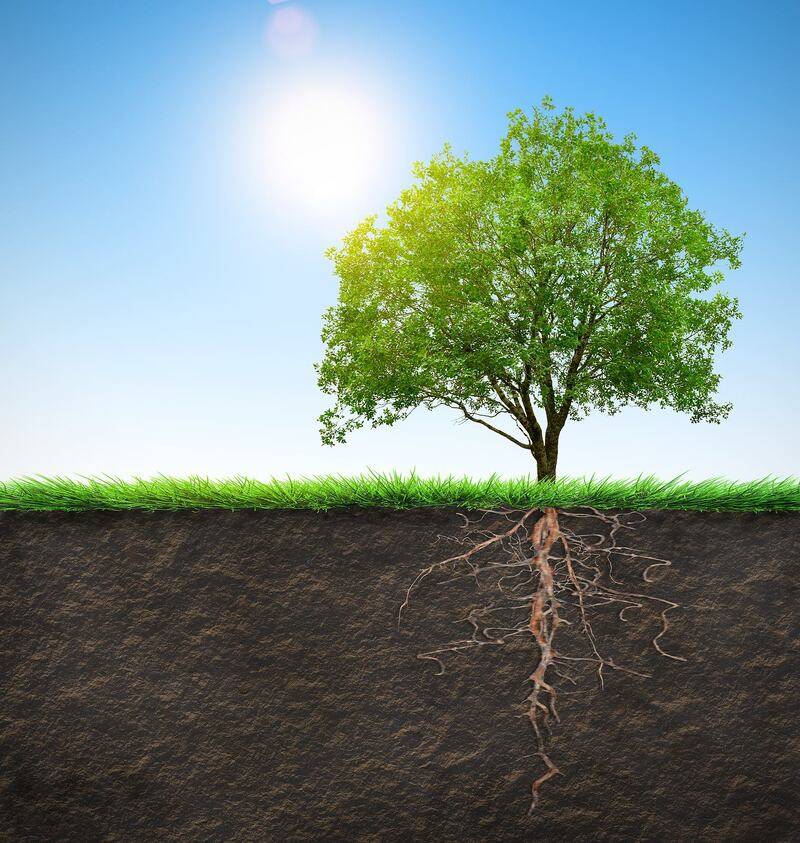
Scorched leaves are brown and shriveled. A range of things causes this, but lack of sufficient water is often the reason for the deterioration. Roots transfer essential nutrients and water to other parts of the tree, but damaged roots can’t perform this vital task, which affects the tree’s health. As mentioned, leaf scorch is caused by various factors, and hiring a tree care company to pinpoint the problem is important. We use industry-standard equipment and experience to ensure the root of the leaf scorch is detected and addressed before wreaking havoc on other parts of the tree.
Fungal infections can compromise tree roots, resulting in diseases like root rot which percolates through the entire root system. It can be challenging for homeowners to detect root rot in the initial stages of infection, hence the need to schedule routine inspections with a reputable tree service. This prevents us from spreading upwards into the canopy and consuming the whole tree. Severe cases of fungal infections usually result in the growth of mushrooms and conks around the base of the tree. If you see any of these signs, please call a professional.
Steady growth is a sign of healthy roots. While this may depend on the tree species, soil type, and nutrients, we recommend checking the roots in most cases. This is critical if you regularly water and fertilize your trees. Damaged roots can’t absorb moisture and nutrients needed for healthy growth, leading to stunted development. A tree care company has the tools and expertise to determine the cause of slow growth and recommend long-term solutions. Before attempting DIY alternatives to salvage a tree growing smaller than expected, consult a trusted tree service for advice.
When branches lack sufficient sustenance, they die. The roots connect the tree’s vascular system, which carries nutrients and water from the ground to the branches. If a section of the roots is damaged, the corresponding section of branches will suffer from dieback. It is advisable to schedule a maintenance inspection with a tree care company when you detect deterioration. Identifying minor signs of damage goes a long way in salvaging the tree and preventing an untimely death.
Contact us at Driscoll Tree Service for professional help to address root and tree-related damage. Please schedule a consultation with our representatives to learn more about our services, and have all your tree care needs to be addressed without breaking the bank.
What Exactly Is an Arborist Report? Trees are a valuable addition to our environment, providing oxygen, curb appeal, shade, and a habitat for various species. However, when it is time for tree removal, especially protected ones, there are legal and…
Read More
Why Topping is Harmful for Trees Tree topping is often regarded as a controversial practice in arboriculture. This haphazard tree trimming exercise often causes severe disfigurement, compromising the overall aesthetics of your landscape. While tree topping offers a quick solution…
Read More
4 Ways Tree Trimming Can Benefit Your Business Trees are majestic beings that offer many benefits, from visual appeal to clean air. As a business owner, you can benefit from trees, including curb aesthetics and property value. However, regular care…
Read More
Benefits of Tree Trimming Do you have a tree that needs a lot of attention, but you're unsure what to do? Whether your tree is growing too close to the house, hangs over the driveway, or is growing unevenly, the…
Read More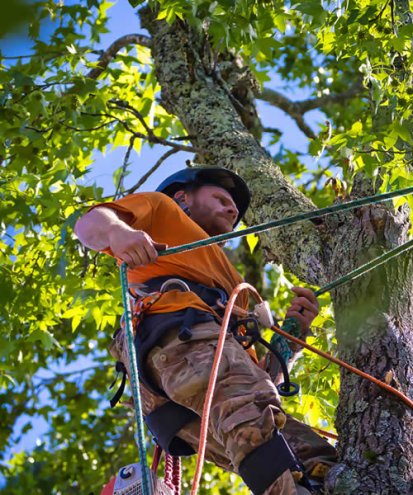
Eco-Friendly Tree Removal Trees are valuable entities in our ecosystems, providing habitats for wildlife, absorbing carbon dioxide, and improving the planet’s overall health. However, there are instances when tree removal is the best option to protect your yard from diseases,…
Read More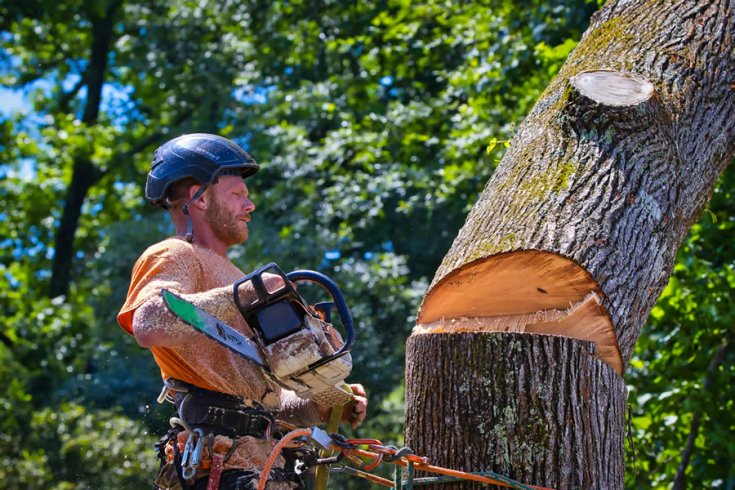
4 Situations That Require a Tree Removal Service Trees are a valuable addition to any landscape and play a vital role in the ecosystem. There are many benefits we get from trees, such as shade, curb appeal, and comfort, among…
Read More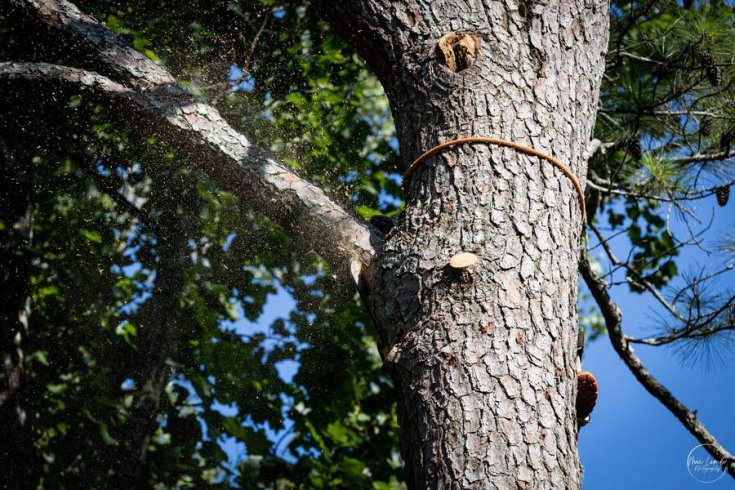
5 Essential Tips for Emergency Tree Removal Trees provide shade, beauty, and a habitat for wildlife. They also convert the carbon dioxide we breath out into fresh oxygen. However, there are times when their removal becomes unavoidable. Whether it's due…
Read More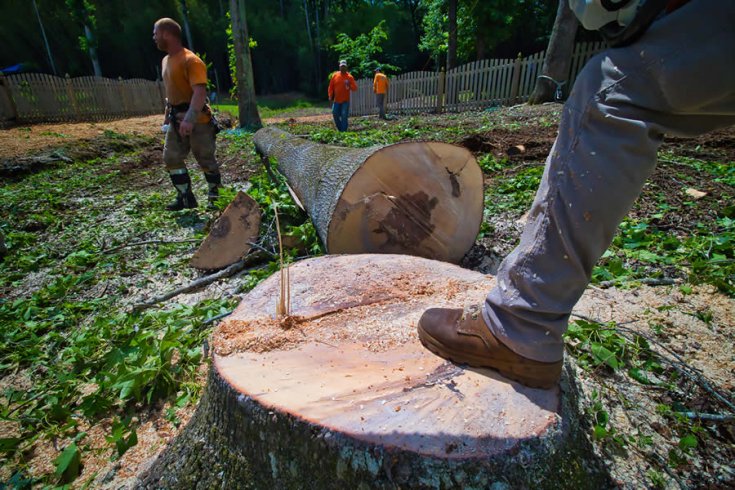
Are There Dangers in Cutting Tree Roots? Trees are more than towering entities in our landscapes; they are essential to our ecosystem, providing shade, oxygen, and aesthetic beauty. However, the decision to cut tree roots, whether driven by the need…
Read More
Can You Cut Your Neighbor’s Overhanging Tree Branches? Neighborly conflicts are common among many homeowners, the most common being trees or branches hanging from the neighboring yard. If you’ve asked your neighbor to remove the branches with no luck or…
Read More
Why Dead Trees Should Be Removed Immediately Dead trees are not always easy to identify, but one thing is for certain: They ought to be removed as soon as possible. A dead tree not only poses the risk of falling…
Read More