Menu


Menu

I began using Driscoll Tree Service back in 2021 and was so impressed with their knowledge and quality of work, I have only hired Driscoll Tree Service since! Just a few weeks ago, my large oak tree needed a trim and once again it was a great job!!
This is the second time using Driscoll, and we are pleased with the service. Michael is knowledgeable and punctual. We had eight trees trimmed, and they left no traces of the work in our yard. Polite workers. Reasonably priced as well. Highly recommend.
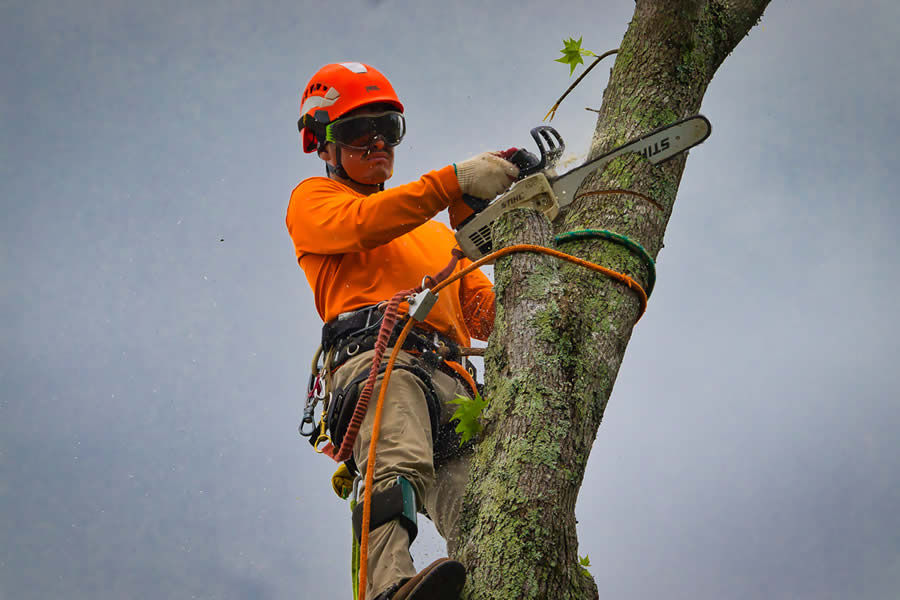
As the leaves change color and a crisp breeze fills the air, fall shifts the natural world. However, not just the season’s beauty capture our attention. With the changing weather, certain pests become more active and threaten trees. Driscoll Tree Service leverages extensive industry knowledge and expertise to eliminate unwanted critters before things worsen. Let’s explore four tree pests that are prevalent during fall and the potential effects they can have on your beloved trees.
Woodpeckers, known for their distinctive tapping sounds, can be fascinating and frustrating for homeowners. While they are a natural part of the ecosystem and play a role in insect control, their activity can become problematic in the fall. As the weather cools, woodpeckers drum on tree trunks more vigorously in search of insects beneath the bark. This behavior, known as drumming, can create entry points for other pests and diseases, leading to significant damage and expensive tree removal. The best way to prevent damage is to schedule routine inspections with trusted tree service providers to quickly detect and address the problem.
Bark beetles are tiny insects that can wreak havoc on trees, especially during the fall. These pests bore into the bark, creating intricate tunnels that disrupt the flow of water and nutrients. If you don’t act, beetles can cause devastating damage, prompting tree removal. As temperatures drop, bark beetles become more active, making trees susceptible to infestations. Once established, bark beetle populations can quickly multiply, hence the need to hire professional arborists. Our tree care company can recommend preventive measures such as proper tree maintenance and prompt removal of infested trees to help mitigate the risk.
Termites often damage wooden structures, posing a serious threat to trees. These voracious insects feed on cellulose, a component found in tree wood, potentially weakening the tree’s structural integrity. During the fall, termites become more noticeable as they swarm, searching for new nesting sites. Detecting termite infestations early is crucial to prevent irreversible damage to trees. Our professional tree service providers can help identify signs of termite activity and recommend control measures.
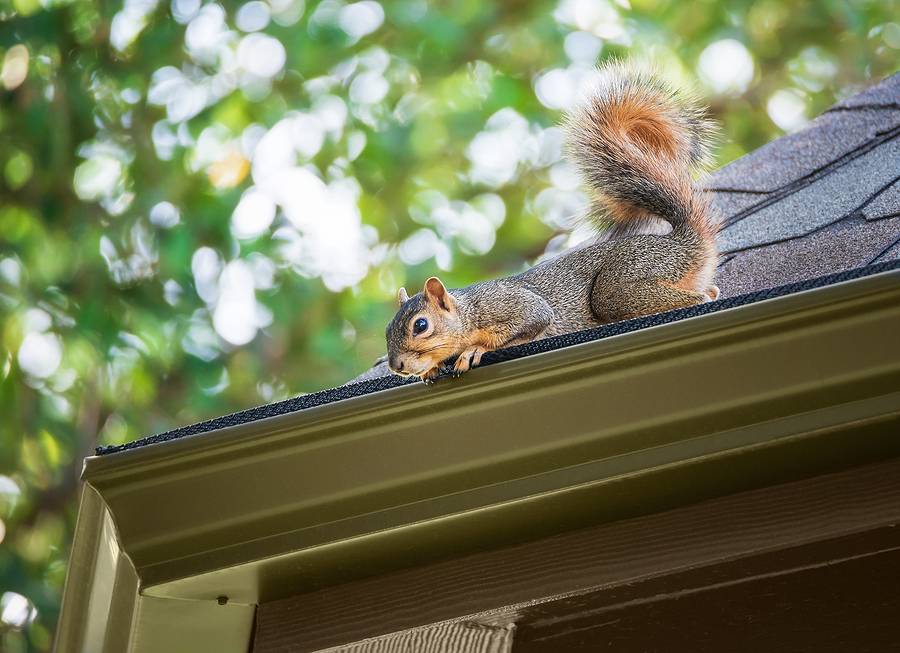
Rodents, such as squirrels and mice, become more active in the fall as they prepare for the winter. These creatures cause damage to trees by gnawing on bark, twigs, and foliage. While some rodent activity is natural, excessive feeding can weaken trees and make them vulnerable to other pests and diseases. Once you notice signs of rodents on your premises, call a tree care company to prevent damage using physical barriers, such as tree guards, and maintain a clean environment to discourage nesting.
While fall is a picturesque season, it’s important to remember that it also signals the peak activity of various tree pests. By staying vigilant, understanding the behavior of these pests, and implementing preventive measures, you can help protect your trees and ensure they thrive through the changing seasons. Contact the Driscoll Tree Service and schedule a consultation with our professional arborists for regular care and attention, preserving the beauty and health of your trees for years to come.
Hey there, Metro Atlanta neighbors! Whether you’re battling Bradford pears that shed like a husky in July or nurturing a century-old oak that’s seen more history than Peachtree Street, the tree care specialists at Driscoll Tree Service have some tips…
Read More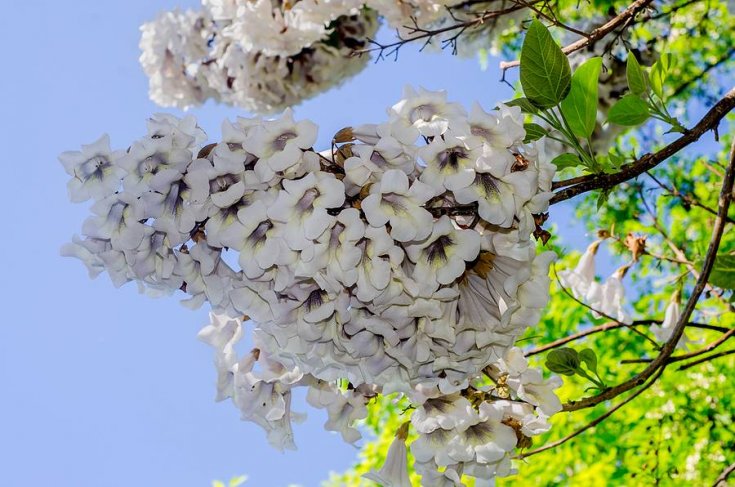
Georgia Guide to Growing Trees If you are a resident of Georgia, there’s no better time to grow trees than now. With over 100 tree species, it is one of the most diverse ecosystems in the United States. Before planting…
Read More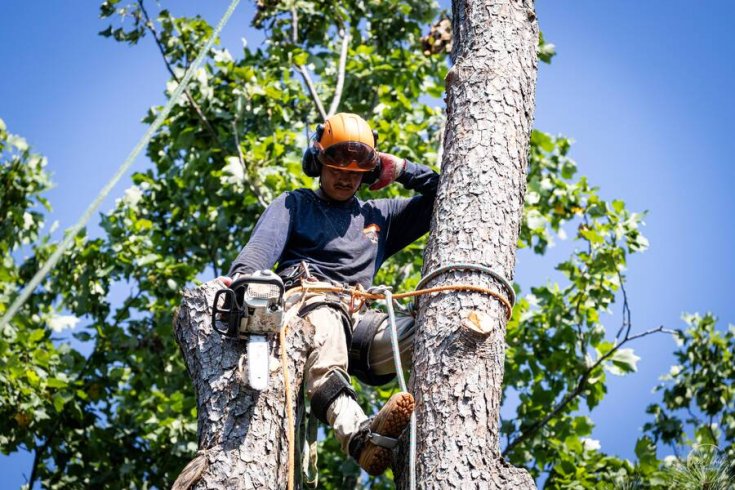
Pruning Mistakes That Invite Pests Into Your Home Proper pruning keeps trees healthy, encourages strong growth, and grabs the attention of prospective buyers and tenants. When pruning is done hastily or incorrectly, however, it can open the door to much…
Read More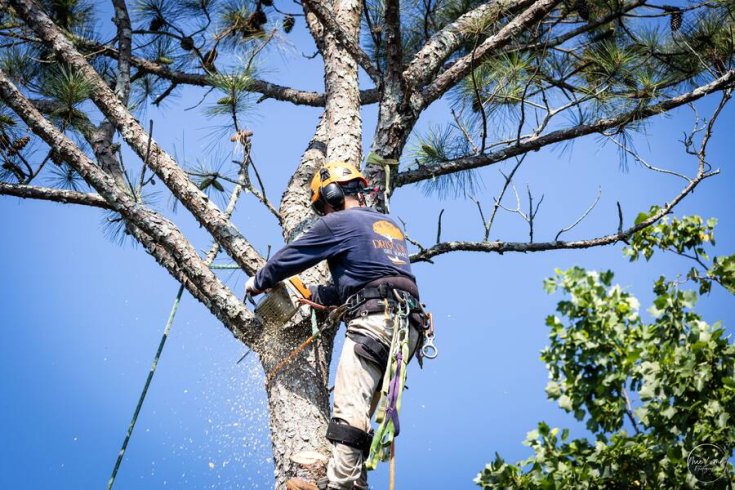
Best Time of Year for Tree Removal We love trees as much as anyone. After all, they give us oxygen, shade, beauty, and some even produce fruit… but we also understand that some trees become more of a problem than…
Read More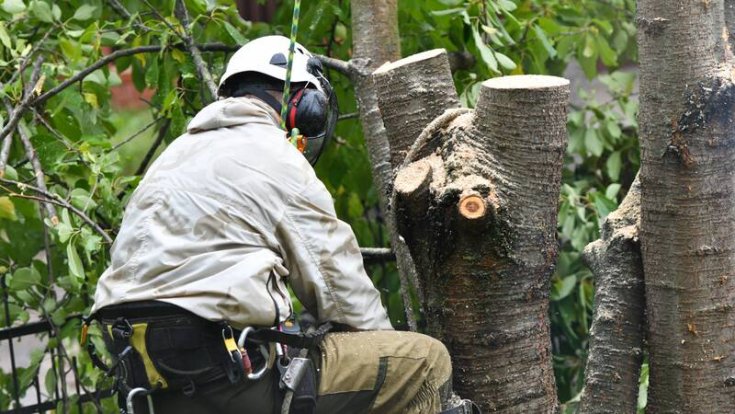
Cracks in the Trunk: A Sign You Need Tree Removal? When’s the last time you really looked at your trees? Not from the curb. Not from your kitchen window. Up close with hands on the bark and eyes tracing the…
Read More
4 Ways to Fill the Empty Space Where a Tree Was When a tree is removed from your yard, it can leave a space that can be challenging to fill. Fortunately, various creative and functional ways exist to fill that…
Read More.jpg)
5 Resilient Tree Species that Benefit People and the Planet Trees around the world have been celebrated for thousands of years. These magnificent entities offer many benefits to the planet, drawing people to connect with them. As a property owner,…
Read More
The Best Landscaping Services for Residential and Commercial Properties Landscaping enhances residential and commercial properties’ aesthetic appeal, functionality, and overall value. When most people think of landscaping, images of lush green lawns and vibrant gardens come to mind. However, landscaping…
Read More
Factors to Consider When Choosing a Tree Service Company Maintaining the health and aesthetics of your trees is crucial for the safety and beauty of your property. Whether it’s pruning, trimming, or tree removal, choosing the exemplary tree service can…
Read More
5 Essential Tips for Emergency Tree Removal Trees provide shade, beauty, and a habitat for wildlife. They also convert the carbon dioxide we breath out into fresh oxygen. However, there are times when their removal becomes unavoidable. Whether it's due…
Read More